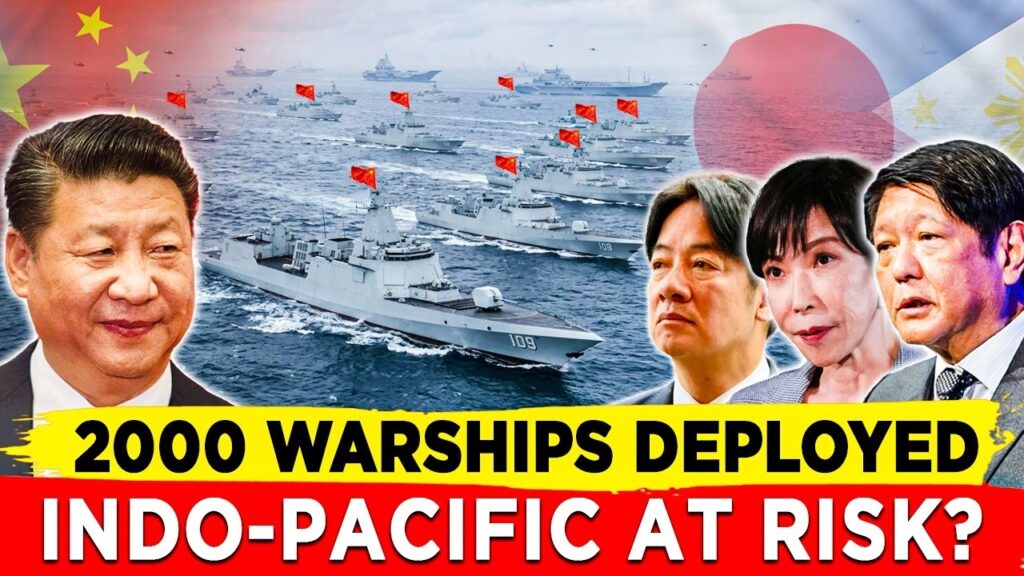
China Deploys 2,000 Warships: Is the Indo-Pacific at Risk?
A few years ago, if you stood on the deck of a cargo ship moving through the South China Sea, the view would have looked ordinary. Fishing boats on the horizon. Maybe a coast guard cutter. The occasional navy vessel far away. Today, the picture is starting to look different. More ships. More patrols. More radar screens lighting up with unfamiliar signals. And then came the headline that made analysts around the world pause: China could deploy up to 2,000 maritime vessels across the Indo-Pacific. Two thousand.
At first glance, the number sounds almost unbelievable. But when experts started breaking it down, counting naval ships, coast guard vessels, and China’s massive maritime militia fleet,the scale suddenly made sense. Still, it raises a huge question. Is this simply a country protecting its interests at sea or are we watching the balance of power shift in one of the most important regions on Earth?
https://www.youtube.com/watch?v=0bvvgt8wZKI
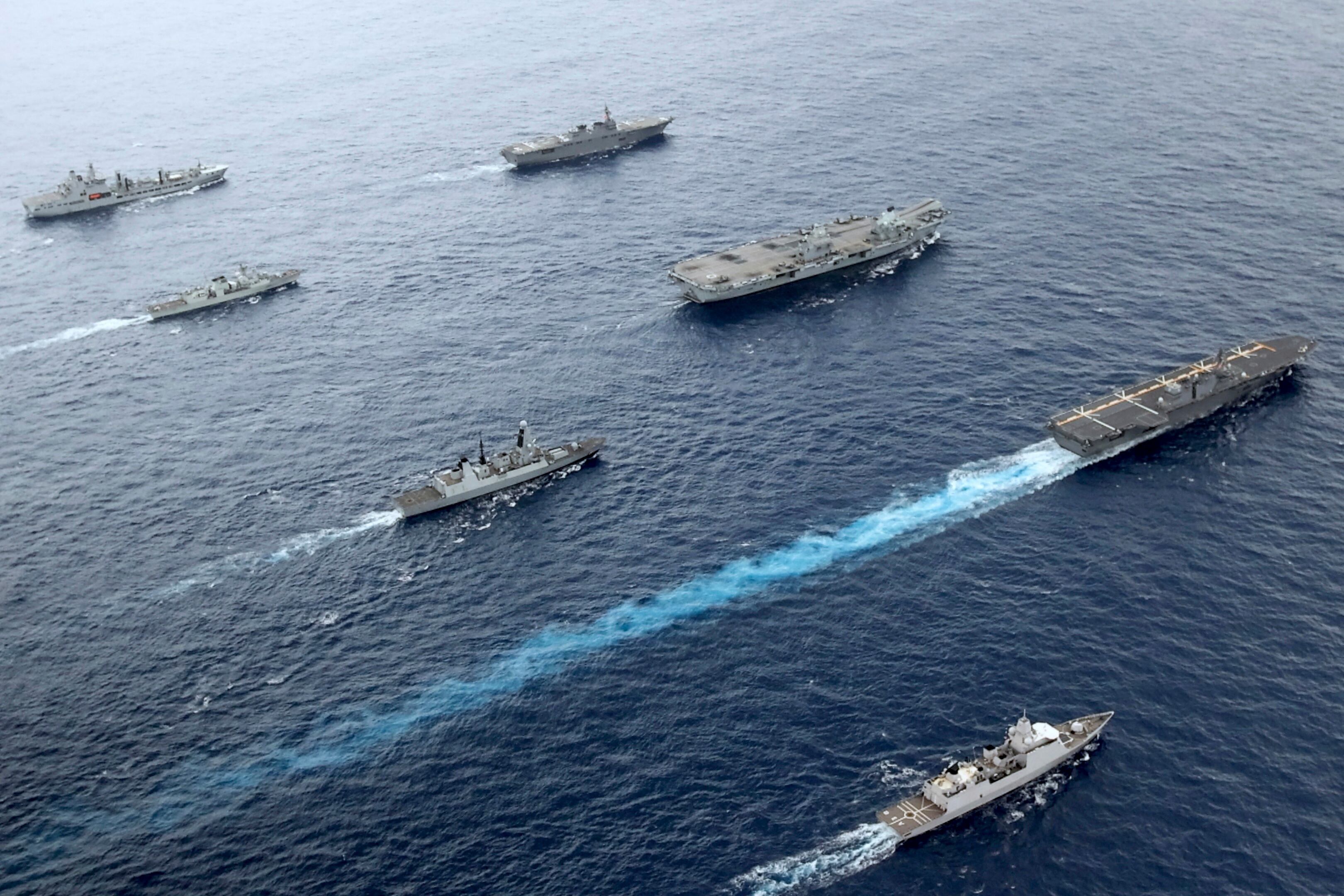
Because the Indo-Pacific is not just another geographic term. It stretches from the eastern shores of Africa all the way to the western coast of the Americas. It contains the busiest trade routes on the planet and some of the fastest-growing economies. According to the International Monetary Fund, this vast region accounts for more than 60 percent of global GDP and nearly two-thirds of global economic growth. That alone tells you why every major power cares deeply about what happens here. But the real heartbeat of the region lies in its waters.
Roughly $5 trillion worth of trade passes every year through the South China Sea alone. Oil tankers, container ships, food exports, electronics,everything flows through these sea lanes. If something disrupts them, the shock would ripple through the entire global economy. And now, with China dramatically expanding its naval power, the question is no longer whether the region is changing. It clearly is. The real question is where it’s heading next.
The Transformation of China’s Naval Power
To understand what is happening today, it helps to go back a few decades. In the 1980s and early 1990s, China’s navy was not particularly powerful. The People’s Liberation Army Navy, often called the PLAN, focused mostly on defending China’s coastline. Its ships were smaller, older, and rarely ventured far from home waters. Back then, China followed what strategists called a “near seas defense” strategy. The goal was simple: protect the coast and nearby seas.
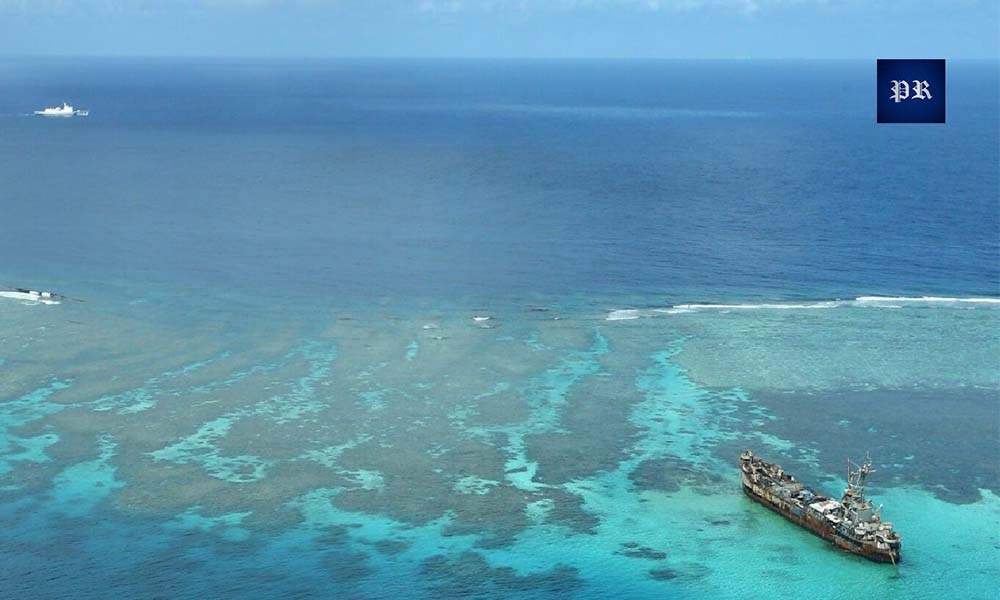
Why Philippines China Tensions in South China Sea May Never Truly End
But as China’s economy exploded and its global interests expanded, that approach started to feel outdated. Factories needed resources from overseas. Chinese companies were investing across Africa and the Middle East. Oil tankers carrying energy supplies were traveling thousands of miles before reaching Chinese ports. Protecting the coast was no longer enough. So China began transforming its navy.
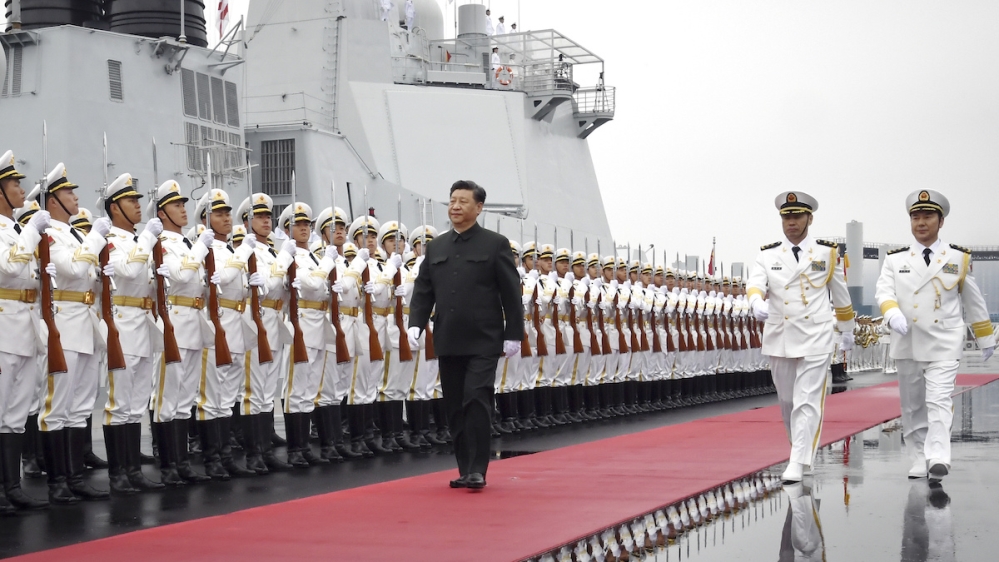
Under the leadership of Xi Jinping, this transformation accelerated dramatically. Beijing shifted toward what it calls “far seas protection.” Instead of staying close to home, Chinese naval forces would operate across the western Pacific and deep into the Indian Ocean. Xi himself once put it bluntly: “Building a strong navy has never been more urgent than today.” That statement wasn’t just rhetoric. It reflected a strategic vision. China wanted a navy capable of protecting global trade routes, defending overseas interests, and projecting power far beyond its coastline.
The Rise of the World’s Largest Navy
The results have been astonishing. Today, China possesses the largest navy in the world by number of vessels. According to a report from the United States Department of Defense, China currently operates more than 370 battle-force ships, and projections suggest the fleet could grow to around 440 by 2030.https://www.youtube.com/watch?v=2SuVI9-Et50
For comparison, the United States Navy operates roughly 290 deployable battle-force ships. Numbers alone don’t tell the whole story, naval capability depends on training, technology, and operational experience but the scale of China’s buildup is impossible to ignore. And it isn’t just about quantity.
China has also been building increasingly advanced vessels. Massive destroyers like the Type 055 destroyer carry powerful radar systems and long-range missiles. Modern frigates patrol regional waters. Submarines, both nuclear and diesel powered, operate quietly beneath the surface. Then there are the aircraft carriers.https://indopacificreport.com/will-china-agree-philippines-code-of-conduct-scs
https://indopacificreport.com/will-china-agree-philippines-code-of-conduct-scs/
China’s first carrier, the Liaoning aircraft carrier, was originally a refurbished Soviet ship. But it marked the beginning of a new era. Soon came the Shandong aircraft carrier, China’s first domestically built carrier. And more recently, Beijing launched the Fujian aircraft carrier, a far more advanced vessel designed to rival the capabilities of leading naval powers. Aircraft carriers are not just weapons. They are symbols. They signal a nation’s ability to project power far from its own shores.
Technology Changing the Game
China’s naval expansion is not only about ships, it’s also about technology. One of the most talked-about systems is the DF‑21D anti-ship ballistic missile, sometimes nicknamed the “carrier killer.” Designed to target large warships at long distances, it represents a new type of threat that could complicate naval operations for rival powers.
China has also invested heavily in satellite networks, surveillance systems, artificial-intelligence-assisted command systems, and advanced radar technologies. These tools create what strategists call maritime domain awareness, the ability to monitor vast ocean spaces and track ships moving across them.https://www.youtube.com/watch?v=FtWh-0X6s4A
And the expansion isn’t limited to China’s immediate neighborhood. In Djibouti, on the Horn of Africa, China established its first overseas naval base. The facility allows Chinese ships operating in the Indian Ocean to refuel, resupply, and maintain a long-term presence far from home. Step by step, China is building the infrastructure needed for a truly global navy.
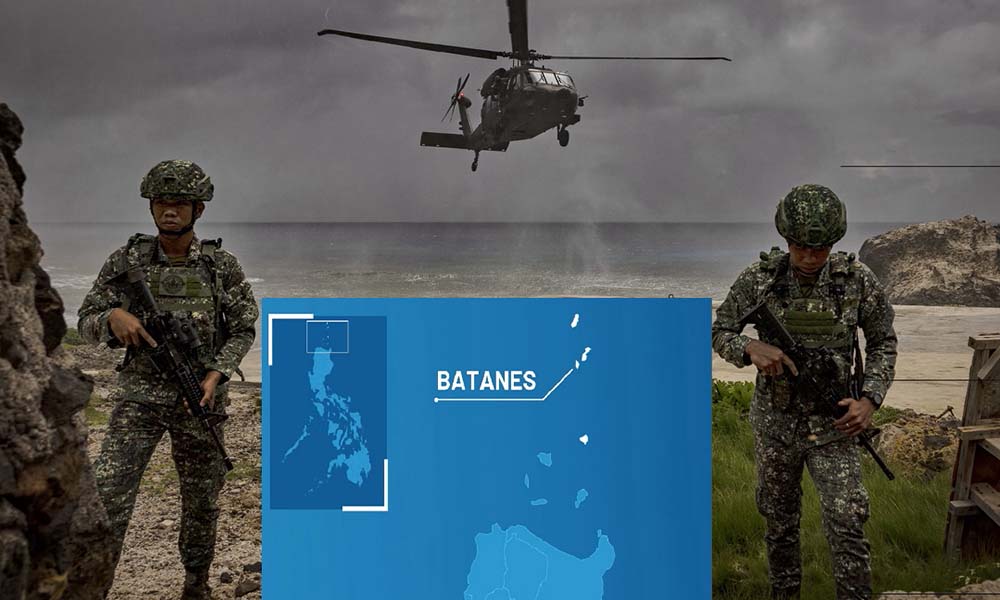
Philippines Needs Submarines Now More Than Ever to Deter China
Why the Indo-Pacific Matters So Much
All of this naval expansion is happening in a region that already sits at the center of global commerce. The Strait of Malacca, for example, is one of the world’s most important maritime chokepoints. Nearly 90,000 ships pass through it every year, carrying energy supplies and manufactured goods between Asia, Europe, and the Middle East. Any disruption there would immediately shake global markets. The South China Sea is equally critical. Beyond trade routes, the waters contain rich fishing grounds and potential energy resources beneath the seabed.
Not surprisingly, several countries claim parts of this sea. These overlapping claims involve Vietnam, Philippines, Malaysia, Brunei, and China.
China’s claim, represented by the controversial Nine-Dash Line, covers nearly 90 percent of the sea. To strengthen its position, Beijing has constructed artificial islands on disputed reefs, some equipped with runways, radar systems, and missile installations.
Meanwhile, tensions around Taiwan Strait have also intensified in recent years. China considers Taiwan a breakaway province, while the United States maintains a policy of strategic ambiguity regarding its defense. Naval drills and aircraft patrols around Taiwan have increased significantly, turning the strait into one of the most sensitive flashpoints in global politics.https://www.youtube.com/watch?v=FtWh-0X6s4A
The Meaning Behind “2,000 Warships”
When people hear that China could deploy 2,000 vessels, it’s easy to imagine thousands of heavily armed warships. But the reality is more complex. The number typically includes three separate maritime forces. First is the People’s Liberation Army Navy, China’s formal military fleet. Second is the China Coast Guard, which patrols contested waters and often confronts foreign vessels.
China Deploys Buoys & Jets Inside Philippine Waters West Philippine Sea Tension Rises
Third, and perhaps most unusual, is China’s maritime militia. These are fishing boats operated by civilians but organized to support state objectives. They can conduct surveillance, swarm contested areas, and maintain a constant presence around reefs and islands.
Because they appear civilian, they operate in what analysts call the “gray zone”, actions that fall short of open military conflict but still apply pressure on rivals. In disputes with the Philippines, for example, hundreds of Chinese fishing vessels have appeared around contested reefs at the same time. The message is clear. Presence equals influence.https://www.youtube.com/watch?v=yxdEZ_968OE
Regional Reactions Are Growing Stronger
China’s maritime expansion has not gone unnoticed.
The United States has intensified its Indo-Pacific strategy, increasing naval deployments and conducting freedom-of-navigation operations in contested waters. Meanwhile, Japan has taken historic steps to expand its defense capabilities, raising military spending to around two percent of its GDP. India has also strengthened its naval presence in the Indian Ocean, launching new aircraft carriers and deepening strategic partnerships with other regional powers.https://www.youtube.com/watch?v=yxdEZ_968OE
Across Southeast Asia, countries such as Vietnam and the Philippines face a complicated balancing act. Economically, they depend heavily on China. Security-wise, many of them cooperate closely with the United States. Navigating that balance is becoming increasingly difficult.
The Real Risks Ahead
With more ships operating in contested waters, the biggest danger may not be deliberate war. It might be a miscalculation. A collision between vessels. A warning shot misunderstood. A confrontation that escalates faster than leaders expect. History is full of conflicts that began with accidents at sea. Another concern is the growing arms race across the region.https://youtu.be/Ap_VP4EL7k8?si=JdA44BCSIpxp7B7p
According to the Stockholm International Peace Research Institute, Asia now accounts for more than a quarter of global military spending. Countries are expanding submarine fleets, building missile defenses, and modernizing naval forces. The region is becoming increasingly militarized.
So, is the Indo-Pacific at Risk?
The truth is complicated. Some analysts argue China’s naval expansion is a natural response to its growing economic power and global interests. Others believe it represents a long-term strategy to reshape the regional order and dominate nearby seas. History offers examples of both outcomes. Naval buildups by rising powers, from Germany before World War I to the United States during the Cold War, have sometimes increased tensions dramatically. But they have also occasionally produced stable deterrence. Which path the Indo-Pacific follows will depend on how major powers manage their rivalry. For now, the oceans stretching from the Indian Ocean to the Pacific are becoming more crowded, more strategic, and more closely watched than ever before. And every new ship entering those waters reminds the world of a simple reality. The balance of power at sea is changing.https://youtu.be/Ap_VP4EL7k8?si=6mupEATlKNvuWNi4