Indonesia and Australia Expand Security Ties with Trilateral Partnerships and Training Hubs
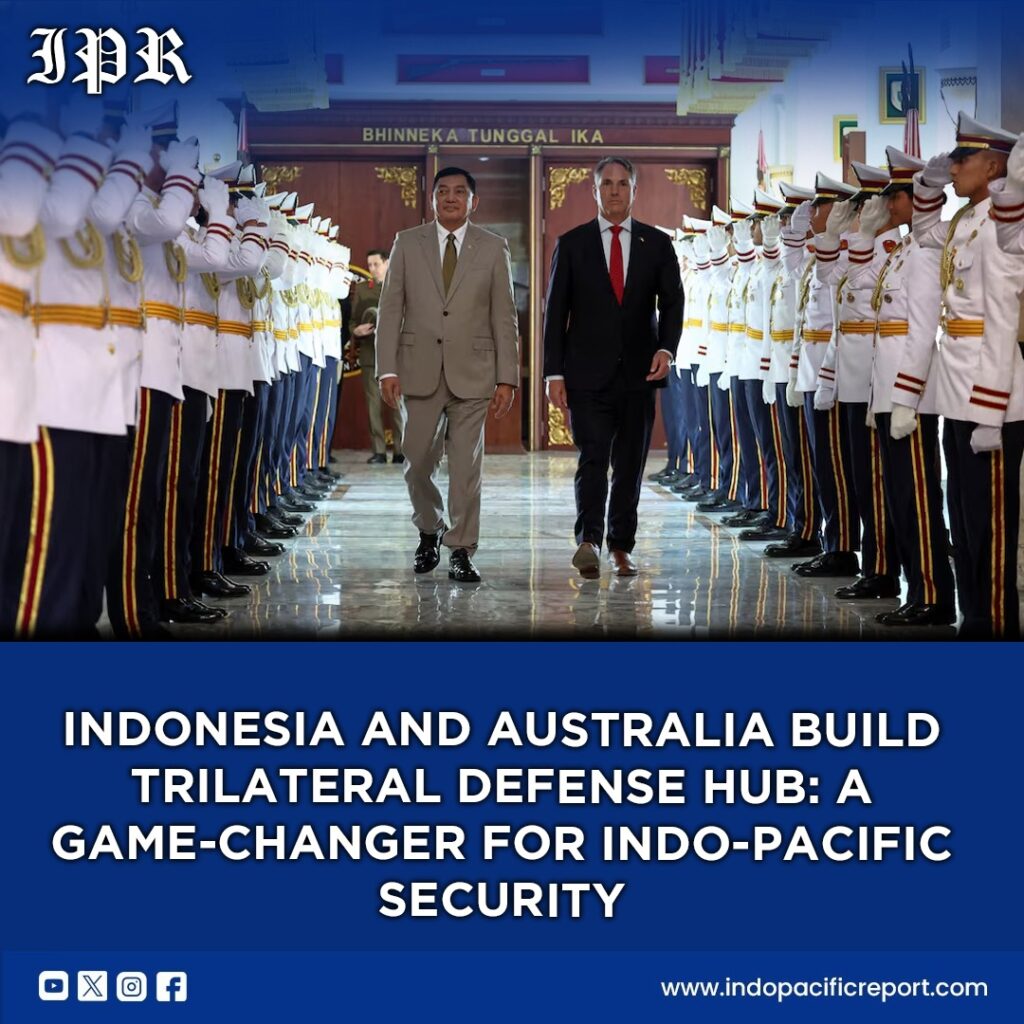
Indonesia and Australia Build Trilateral Defense Hub: A Game-Changer for Indo-Pacific Security
Indonesia and Australia are taking their defense cooperation to the next level. Defence Minister Sjafrie Sjamsoeddin announced plans to build trilateral security frameworks with Papua New Guinea and Japan, alongside developing a joint training facility on Morotai Island in North Maluku. This is part of a broader strategy to enhance regional readiness, strengthen operational interoperability, and institutionalize confidence-building measures in the Indo-Pacific.
The move reflects great-power competition dynamics in Southeast Asia. China’s growing influence in the region makes it critical for middle powers like Indonesia and Australia to collaborate. By expanding trilateral engagements, both nations signal that regional security is shared responsibility, strengthening deterrence without directly provoking conflict.
From the perspective of regional security architecture, these trilateral arrangements improve resilience. Including Papua New Guinea and Japan allows for wider maritime awareness, shared intelligence, and joint operational planning. Multiple layers of cooperation reduce vulnerabilities and ensure the region can respond effectively to crises.
The alliance dynamics are also evolving. The Treaty on Common Security between Indonesia and Australia now supports embedding Indonesian officers in Australia, joint leadership forums, and coordinated responses to security threats. Access for personnel from the Philippines, Singapore, and Australia at Morotai expands the professional military network and enhances operational readiness across the region.
Maritime and operational strategy is central to this cooperation. Indonesian forces will participate in key Australian-led exercises—Kakadu, Pitch Black, and Kriswumara—covering air and maritime capabilities. The Morotai facility offers a forward-operating hub, strengthening the ability to project force and respond quickly across critical sea lanes in Southeast Asia.
In terms of Indo-Pacific balance of power, the initiative demonstrates how regional middle powers can strengthen deterrence while avoiding escalation. Institutionalized training, trilateral coordination, and shared facilities make it harder for external powers to dominate the maritime domain. This approach prioritizes preparedness, credibility, and regional stability.
Forward-looking insight: Indonesia’s strategy shows a practical model for middle powers to balance influence and protect sovereignty. Trilateral cooperation, shared infrastructure, and operational exercises not only strengthen defense capabilities but also build political and strategic resilience. The success of these initiatives could redefine how regional powers collectively maintain peace in a contested Indo-Pacific.
Question for the Audience: Could this trilateral approach become a model for other middle powers in Southeast Asia, or might it increase regional tensions with China?