Germany’s Indo-Pacific Pivot: Balancing China, Securing Resources, and Deterring Russia
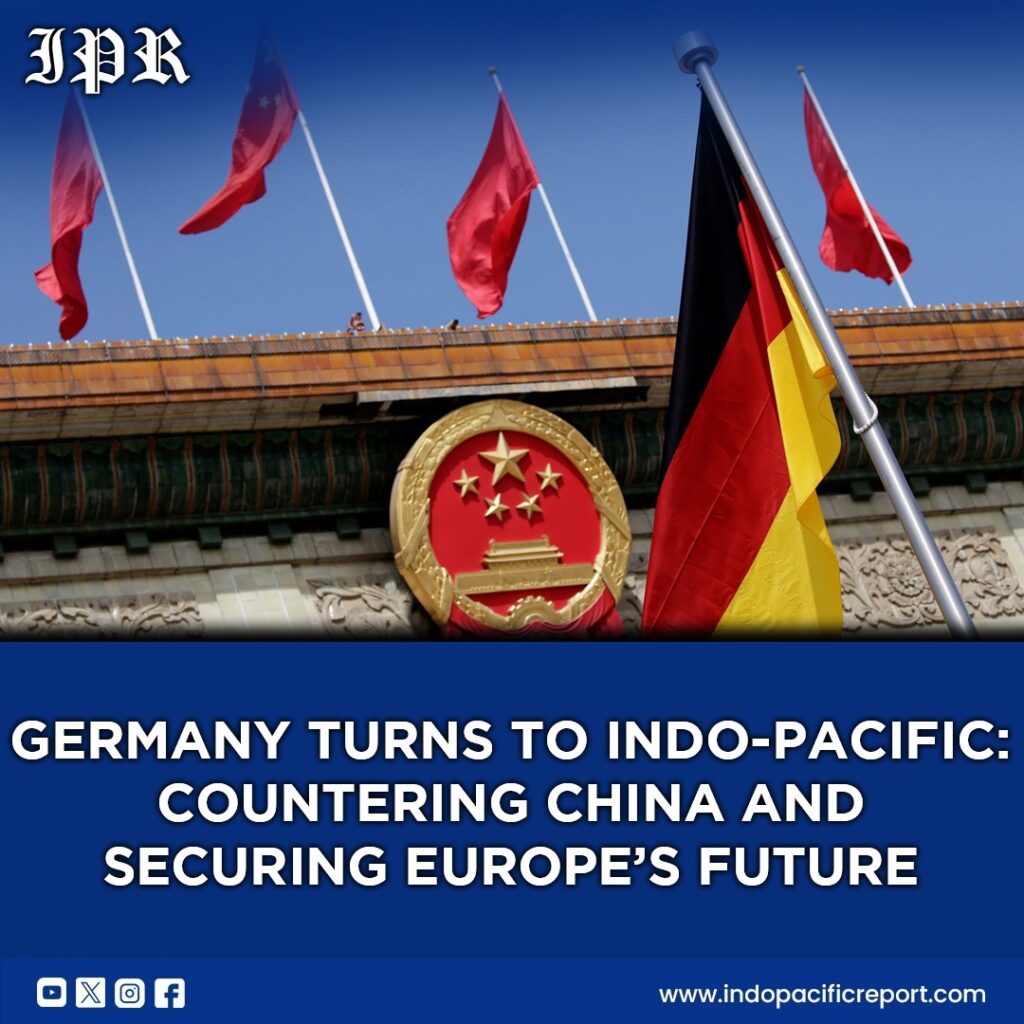
Germany is expanding its reach into the Indo-Pacific, signaling a new phase in European strategic thinking. Foreign Minister Johann Wadephul visited Singapore, Tonga, New Zealand, Australia, and Brunei, aiming to strengthen partnerships, secure critical resources, and support regional security. The trip reflects more than diplomacy—it is a strategic effort to manage China’s rising influence, deter Russian aggression in Europe, and reduce Europe’s economic dependence on single sources.
From a great-power competition perspective, Germany is positioning itself as a middle power navigating between China, Russia, and the United States. Beijing’s assertive moves in the South China Sea and Taiwan Strait, combined with Europe’s reliance on Chinese trade and minerals, have made diversification urgent. By forging new partnerships, Germany seeks to limit China’s ability to support Russia while strengthening its own economic and strategic resilience.
In terms of regional security architecture, Germany’s engagement highlights the importance of strategic chokepoints and multilateral frameworks. Singapore sits at the Strait of Malacca, a vital corridor for global trade. Tonga, despite its reliance on Chinese aid, offers a strategic foothold in the Pacific for resource access and climate cooperation. Germany’s approach signals that Europe views Indo-Pacific security as interconnected with European stability.
Alliance dynamics are key. Cooperation with Australia and New Zealand complements US-led initiatives like AUKUS and the Quad. Engagement with ASEAN through Brunei reinforces multilateralism and provides alternatives to overreliance on China. Germany seeks partnerships that support regional stability without provoking direct confrontation, allowing Europe to project influence indirectly.
From a maritime and economic strategy lens, Germany is prioritizing critical minerals, supply chain resilience, and emerging resource domains like Antarctica. Lithium and rare earths are essential for European technology and industry. Expanding partnerships in resource-rich regions reduces dependence on China while providing strategic leverage in global trade and security.
The implications for Indo-Pacific power balance are significant. European engagement adds a new actor in the region, offering trade, investment, and security alternatives to China. Germany’s actions show that Indo-Pacific stability is increasingly linked to European economic and security interests. This creates a multipolar dynamic where middle powers, alliances, and economic tools can shape outcomes alongside the US and China.
Forward-looking assessment: Germany’s pivot demonstrates how middle powers can use diplomacy, economics, and security to influence global power dynamics. By engaging proactively, Europe reduces its vulnerabilities, contributes to Indo-Pacific stability, and challenges China’s dominance without escalating direct confrontation. For the Indo-Pacific, Europe is no longer a distant observer—it is now a strategic actor.
Audience Question: Can Europe’s growing role in the Indo-Pacific effectively balance China, or will it risk getting drawn into regional conflicts?