US to Deploy Advanced Missiles in Philippines Amid South China Sea Tensions
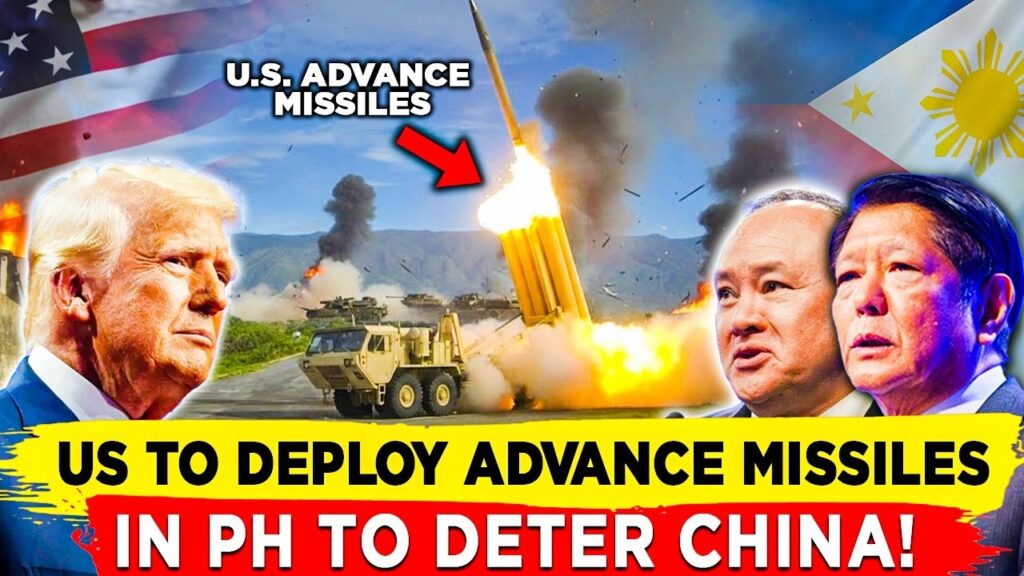
“We will stand by our treaty commitments.” That line has been repeated so many times over the decades that it almost sounds routine. But this week, it hit differently. Because the United States isn’t just issuing statements. It’s preparing to deploy additional advanced missile systems to the Philippines. Let that sink in for a second. Missiles. On Philippine soil. In the middle of intensifying South China Sea tensions.
And here’s the real question: are we watching deterrence being strengthened or a new phase of strategic positioning unfolding in real time? The announcement comes against a backdrop that already feels tense. Close encounters at sea. Coast guard confrontations. Expanding military footprints. The Indo-Pacific has been slowly tightening, like a coiled spring. Now Washington is adding hardware to the equation.
At the core of this development is a simple, stated objective: strengthen deterrence against coercive actions in the South China Sea. Deterrence is a technical word, but the meaning is straightforward. Make the cost of aggression so high that it’s not worth attempting. And missile systems, especially advanced, mobile, precision-capable platforms, are not symbolic tools. They alter operational calculations.
This move also sits squarely within the broader arc of escalating U.S.–China strategic competition. The Indo-Pacific is no longer just a theater of economic rivalry. It’s an arena of force posture adjustments, alliance consolidation, and forward deployments. Both powers are shaping the battlespace long before any conflict would ever begin.
For Manila, the political significance is just as important as the military one. The U.S.–Philippines Mutual Defense Treaty of 1951 was forged in a very different era, Cold War tensions, conventional threats, bipolar structure. Yet here we are, seventy-five years later, and that treaty is still operationally relevant. Deploying advanced missile systems under its umbrella reinforces credibility. It demonstrates that commitments are not abstract.
But it also raises difficult questions. How permanent will this deployment be?
What specific capabilities are being introduced, defensive systems, strike platforms, or both? How will regional actors respond? Security dynamics in Southeast Asia have always been delicate. ASEAN states traditionally favor balance over bloc politics. A visible expansion of U.S. missile presence could reassure some and unsettle others.
And of course, Beijing will interpret this through its own lens — likely framing it as containment or provocation. Increased People’s Liberation Army activity in nearby waters would not be surprising. Still, from a traditional alliance perspective, this development reflects continuity rather than rupture.
Alliances endure not because they remain static, but because they adapt. When threat perceptions shift, posture adjusts. That’s how deterrence maintains credibility over time. So yes, this is about missiles.
But it’s also about something deeper, the steady tightening of alliance integration in the Indo-Pacific. The United States is signaling that its security commitments in Southeast Asia are not symbolic. The Philippines is signaling that it is prepared to anchor its deterrence posture within that framework.
The South China Sea is already one of the most strategically contested maritime corridors in the world. Roughly a third of global trade passes through it. Energy flows. Supply chains. Strategic sea lanes. Now, the military geometry is changing too. And when geometry changes, strategy follows.
Immediate Trigger and Diplomatic Framing
This didn’t come out of nowhere. Missile deployments don’t just materialize because planners wake up one morning feeling bold. There’s always a trigger. A sequence. A line that gets crossed or at least perceived to be crossed.
In this case, the diplomatic language tells you everything. Washington and Manila recently issued joint statements condemning what they described as “illegal, coercive, aggressive, and deceptive activities” in the South China Sea. That phrasing wasn’t casual. Diplomatic language is usually measured. When adjectives stack up like that, it signals accumulated frustration.
And they weren’t speaking in abstractions. The references were specific: harassment of Philippine resupply vessels. The militarization of disputed maritime features. Escalatory Coast Guard confrontations at close range. Persistent gray-zone tactics designed to pressure without triggering open conflict.
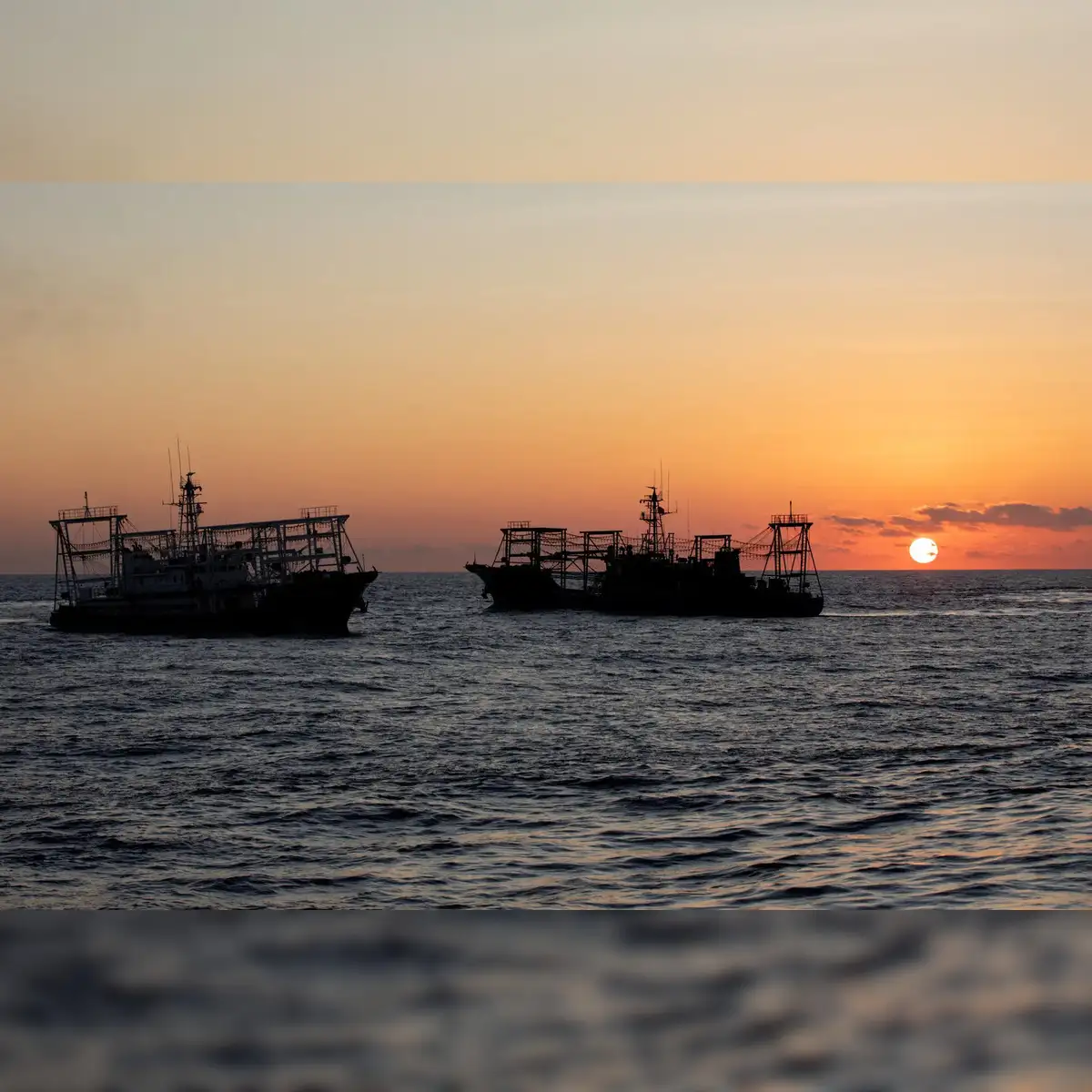
That last one is key. Gray-zone maritime pressure works because it stays just below the threshold of conventional military response. It tests resolve. It probes reactions. It seeks advantage through repetition.
At some point, deterrence requires visible adjustment. From Manila’s perspective, the shift has been gradual but clear. The Philippines’ current security posture is more assertive than in previous cycles. There’s less rhetorical ambiguity. More direct naming of incidents. A stronger emphasis on maritime rights in the West Philippine Sea.
And critically, there’s increased openness to expanded U.S. access. Enhanced Defense Cooperation Agreement (EDCA) sites have grown in number. Rotational deployments have become more normalized. Infrastructure upgrades have accelerated. What once sparked intense domestic debate now carries broader political backing.
That domestic component matters more than people realize. Alliance strengthening only sustains itself when there is political support at home. Right now, there appears to be significant public and institutional backing for reinforcing defense ties with the United States. That gives Manila strategic room to maneuver.https://indopacificreport.com/philippines-orders-550m-warships-navy-frigate-expansion/
So when Washington frames missile deployments as a deterrent response to coercive behavior, and Manila publicly aligns with that framing, it reflects synchronized messaging, not reluctant acceptance. Diplomacy sets the narrative. Military posture enforces it. And in the current environment, both tracks are moving in the same direction.
Military Dimension: What Is Being Deployed?
Let’s get down to the nuts and bolts. This isn’t just a headline about “more U.S. missiles, there’s a very deliberate choice behind the systems being sent.
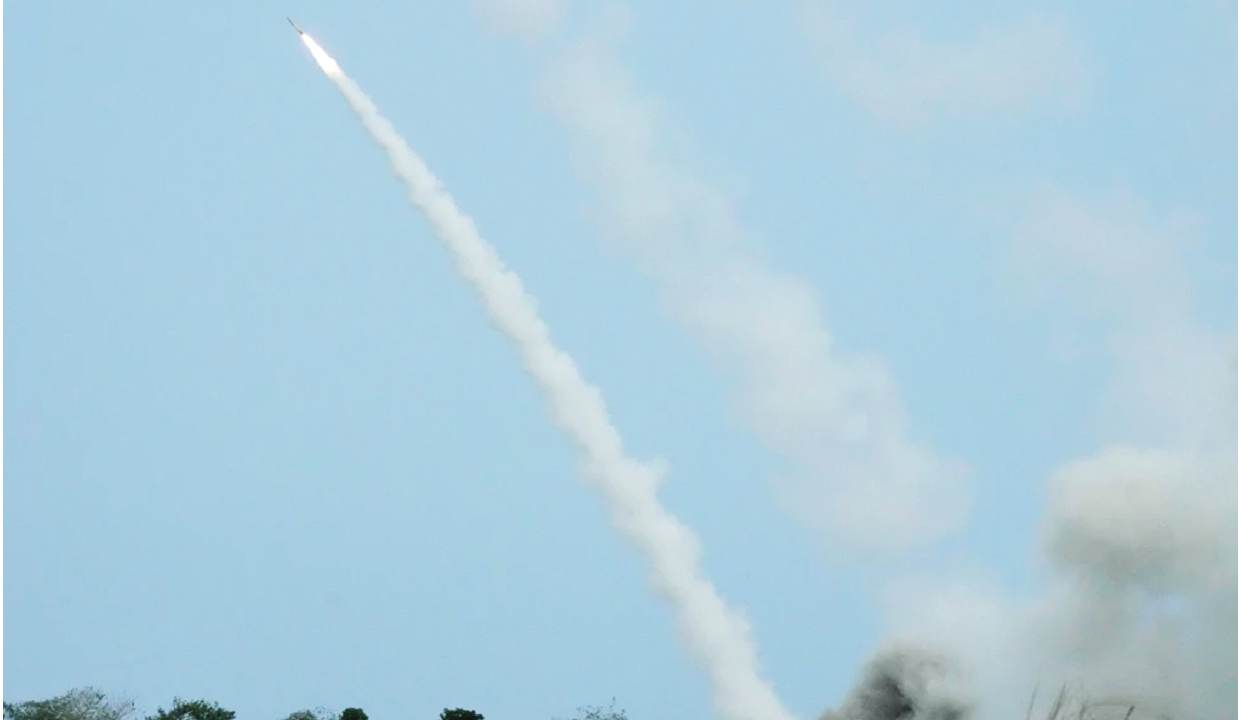
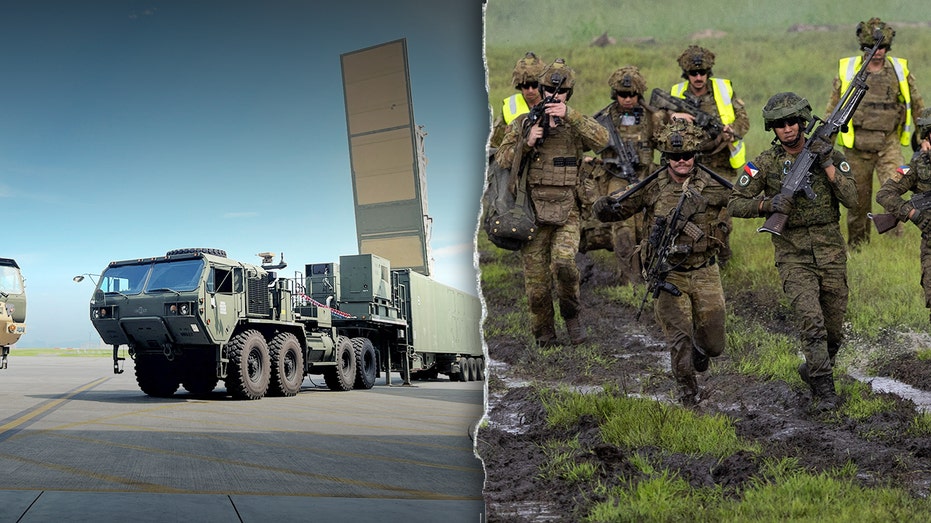
Reports and analyst assessments point first to M142 HIMARS, the High Mobility Artillery Rocket System. These aren’t just artillery trucks with rockets; they’re mobile, precision-guided strike platforms. They can hit targets hundreds of kilometers away, relocate quickly, and reduce exposure to counterattack. In short: fast, flexible, and hard to pin down.
Beyond HIMARS, there’s likely consideration for mid-range precision strike systems. These could provide additional depth, allowing U.S. and Philippine forces to project deterrence further into contested waters. Think of it as creating multiple layers of operational reach, a buffer that complicates potential aggressors’ calculations.
Integration doesn’t stop there. The deployment is expected to tie into coastal defense networks, anti-ship missile batteries, and ISR platforms. The goal is a multi-domain, layered posture: sensors spotting threats, missiles ready to engage, and command systems coordinating everything in real time.
So what’s the operational purpose of all this?
First, it’s about sea-denial capabilities. Contested maritime spaces, like the West Philippine Sea, become harder to operate in if adversaries know precise, mobile strike systems are positioned and ready.
Second, it strengthens a rapid-response deterrence posture. These systems don’t just sit there; they train, rotate, and exercise with Filipino forces, improving reaction speed in crises.
Third, it’s an anti-access/area-denial (A2/AD) counterbalance. China’s growing presence, militarization of features, naval patrols, gray-zone activities, creates pressure. Forward-deployed missile systems complicate that picture and increase operational risk for any coercive actions.
Finally, integration during exercises like Balikatan ensures these systems aren’t just static. They become part of a living operational network: shared targeting protocols, coordinated ISR feeds, and rehearsed joint maneuvers. That’s where real deterrence is built, not just by hardware, but by practiced teamwork and trust. In short: this isn’t symbolic. It’s precise. Calculated. And designed to shift the operational calculus in the South China Sea.
Geographic and Strategic Significance
The geography here is not abstract, it’s literal, tangible, and unavoidable. The Philippines sits like a hinge in the western Pacific, straddling crucial sea lanes and chokepoints that carry a third of the world’s maritime trade. That’s why any military deployment here immediately sends ripples far beyond Manila.
When we talk about South China Sea flashpoints, we’re talking about places that consistently generate tension. Second Thomas Shoal, where resupply missions face constant shadowing; Scarborough Shoal, the site of repeated maritime standoffs; and the Spratly Islands, where military outposts and artificial features multiply strategic stakes. These are not hypothetical hotspots, they are where presence equals influence, and influence equals deterrence.
The Philippines matters because of its strategic location along the so-called first island chain. It’s close enough to the Taiwan Strait to be relevant in cross-strait contingencies, yet also commands approaches into the broader South China Sea. From a military geometry perspective, it’s a natural forward operating point. Access here gives the U.S. and allies the ability to project surveillance, rapidly deploy forces, and hold key sea lines under observation or threat.
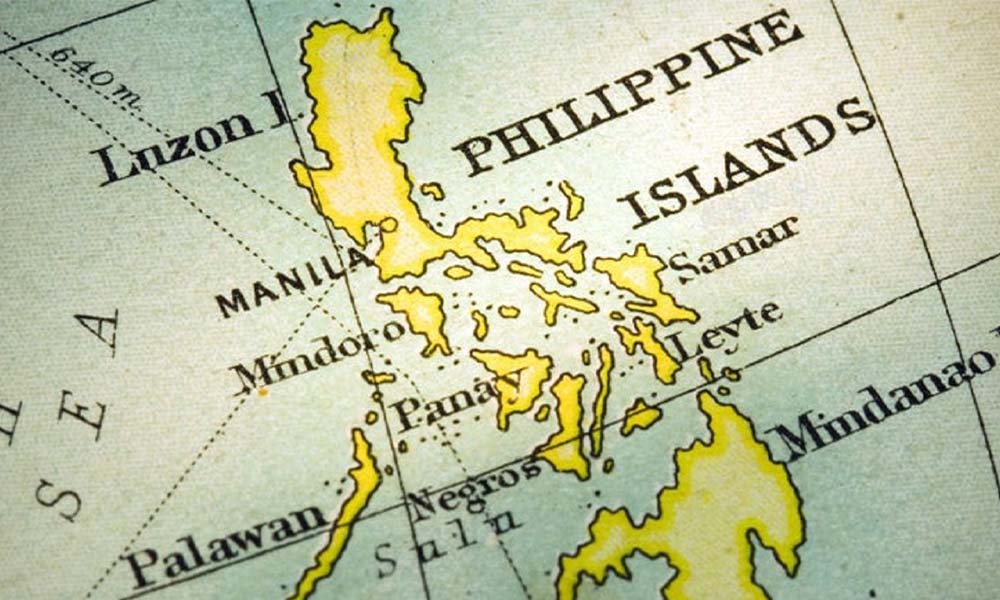
That’s where EDCA sites come in. Expanded U.S. access to Philippine bases isn’t random. Northern Luzon facilities are tailored to contingencies involving Taiwan, providing staging areas and early response nodes. Western-facing sites along Palawan and Mindoro are immediately relevant for monitoring and, if necessary, acting within the South China Sea. Combined, these locations create a layered, flexible posture that supports both deterrence and rapid operational options.
Put simply, geography dictates strategy. And the Philippines isn’t just a host—it’s the linchpin that connects deterrence, rapid response, and operational reach across one of the most contested maritime theaters in the world.
Deterrence Theory in Practice
Let’s get real: deterrence isn’t just about moving hardware around, it’s about perception, calculation, and credibility. Deploying advanced missiles in the Philippines is a textbook example of turning theory into practice.
A credible forward presence matters more than numbers on a map. Rotational deployments, rather than permanent bases, send a deliberate message: we’re present, ready, and flexible. It’s not about occupation. It’s about signaling that the alliance is serious and capable, that commitments aren’t just words on paper. Even without a permanent footprint, the ability to respond rapidly to coercion conveys resolve.
Then there’s the escalation ladder. Missile deployments are calibrated. They aren’t meant to provoke war, they’re meant to make miscalculation costly. But there’s always risk. Security dilemmas can intensify. China may respond with counter-deployments, more patrols, or gray-zone maneuvers of its own. Every move on the ladder requires careful calculation to avoid unintended escalation while maintaining credibility.
Finally, these deployments are also about countering gray-zone warfare. China’s strategy in the South China Sea often relies on incremental, coercive steps, fishing vessel harassment, maritime militia presence, or artificial island militarization. Advanced missile systems raise the operational cost of those tactics, denying incremental territorial consolidation. They’re a way to push back without fighting a full-blown war, signaling that coercion comes with consequences.
In short, this isn’t just hardware. It’s a carefully calibrated signal: the alliance is watching, capable, and ready to act. Deterrence is as much about perception as it is about firepower and in the Indo-Pacific, perception is everything.
Regional Reactions
Not everyone is reacting the same way to the U.S. missile deployment in the Philippines. ASEAN states are taking carefully calibrated positions. Vietnam quietly supports the move, seeing it as a balance against China’s assertiveness. Malaysia maintains cautious neutrality, mindful of economic ties with Beijing. Indonesia emphasizes non-alignment, continuing its long-standing stance of hedging between great powers.
Beyond Southeast Asia, allies like Japan and Australia are likely giving tacit approval. For Tokyo and Canberra, deeper interoperability with Manila and Washington strengthens the wider Quad security architecture, creating operational synergy that goes beyond bilateral ties. This is about more than symbolism; it’s about building routines that could matter in real contingency scenarios.
Taiwan Factor
The strategic calculus doesn’t stop at the South China Sea. Northern Philippine bases suddenly take on additional significance: potential contingency support nodes for Taiwan. That means logistics staging, ISR coverage, and cross-domain operational coordination in a scenario where tensions across the Taiwan Strait flare.
This move isn’t just about reefs and shoals, it’s about shaping the balance of power in a potential Taiwan scenario. The geography, the hardware, and the alliances all intersect to create a layer of deterrence that’s far bigger than the Philippine archipelago alone.
Risks and Escalation Scenarios
Of course, deploying advanced missiles in a tense environment comes with risk. An accidental maritime collision could rapidly escalate tensions. Missile deployments could trigger symmetrical Chinese counter-deployments, turning posturing into a rapid escalation cycle. There’s also the potential for domestic backlash in the Philippines, especially if critics perceive overreliance on the U.S. And miscalculations during joint exercises could produce unintended incidents, sparking crises before anyone is ready.
Strategic Assessment
So how should we read this? On one hand, the deployment represents effective deterrence. It enhances denial capability, raises operational uncertainty for Beijing, and signals that U.S. commitments remain durable and credible. On the other hand, it is undeniably escalatory. It reinforces bloc politics, hardens geopolitical fault lines, and reduces diplomatic maneuvering space in an already tense region.
The balance is delicate: deterrence works only if it convinces an adversary the costs outweigh the benefits, without inadvertently nudging them toward more aggressive measures.
Long-Term Implications
Looking farther ahead, this isn’t just a temporary adjustment. It suggests a formalization of a more permanent U.S. footprint in the Philippines. The Indo-Pacific is transitioning from maritime patrol competition into a missile-era deterrence landscape. Alliance networks are consolidating, militarization is accelerating, and the balance of power calculus in the South China Sea and beyond, is shifting structurally, not just tactically.
Conclusion
The deployment of advanced missiles in the Philippines is far from minor, it represents a structural shift in the Indo-Pacific power balance. The message is clear: the Philippines is no longer a peripheral ally, but a central node in regional security calculations. The South China Sea, long a hotspot of maritime tension, is now integrated into a broader great-power deterrence architecture, and forward missile presence is transitioning from the exception to the expected norm. The critical question is not simply whether this changes the game, but whether it locks the region into a new strategic equilibrium or nudges it closer to kinetic confrontation, with all the risks and uncertainties that entails.
https://youtu.be/TTOoTFgBRXs?si=WSVqrP1Nf5Am9z8m