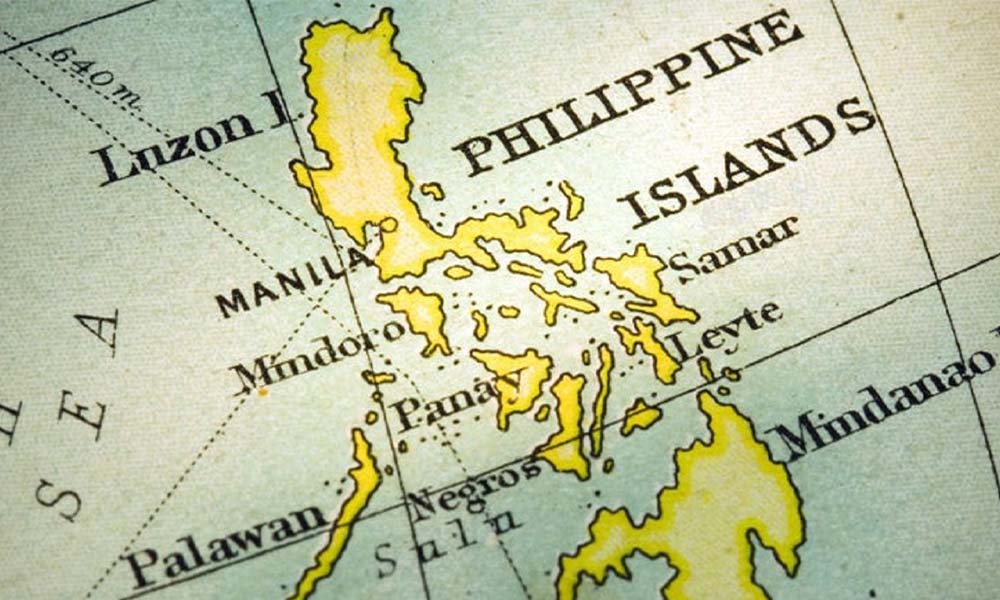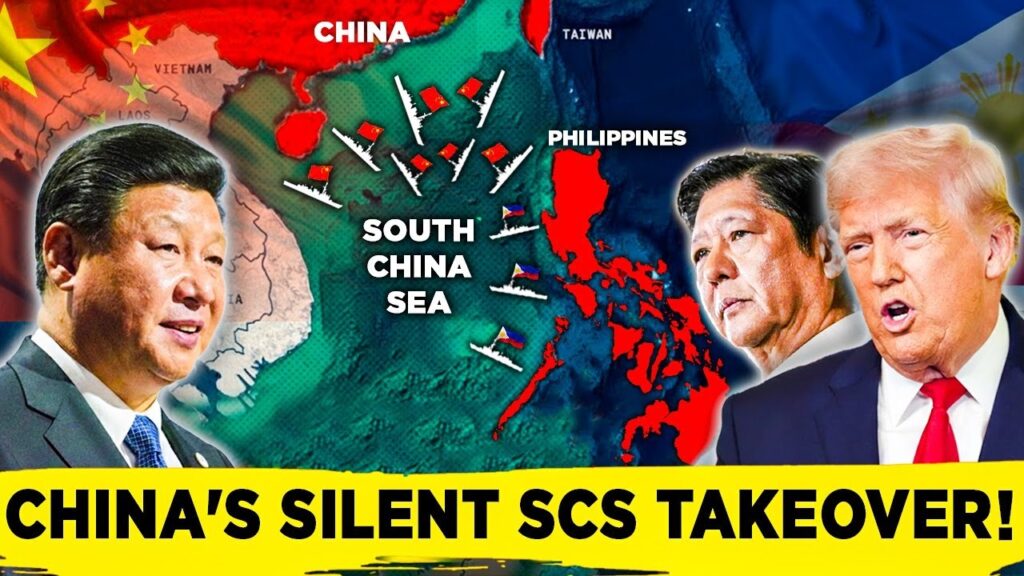
China’s Quiet Buildup in the West Philippine Sea: Capability, Intent, and the Real Threat
What happens when the world is staring in one direction and power quietly shifts somewhere else? While headlines fixate on Iran’s nuclear brinkmanship and diplomatic sparring over Greenland, a far more consequential story is unfolding with little noise or spectacle in the West Philippine Sea. There are no dramatic landings, no missiles fired, no declarations of war. Instead, Chinese ships arrive, stay, rotate, and return, again and again until presence itself becomes power. The question is no longer whether China is changing the maritime balance, but whether anyone is paying attention while it does.
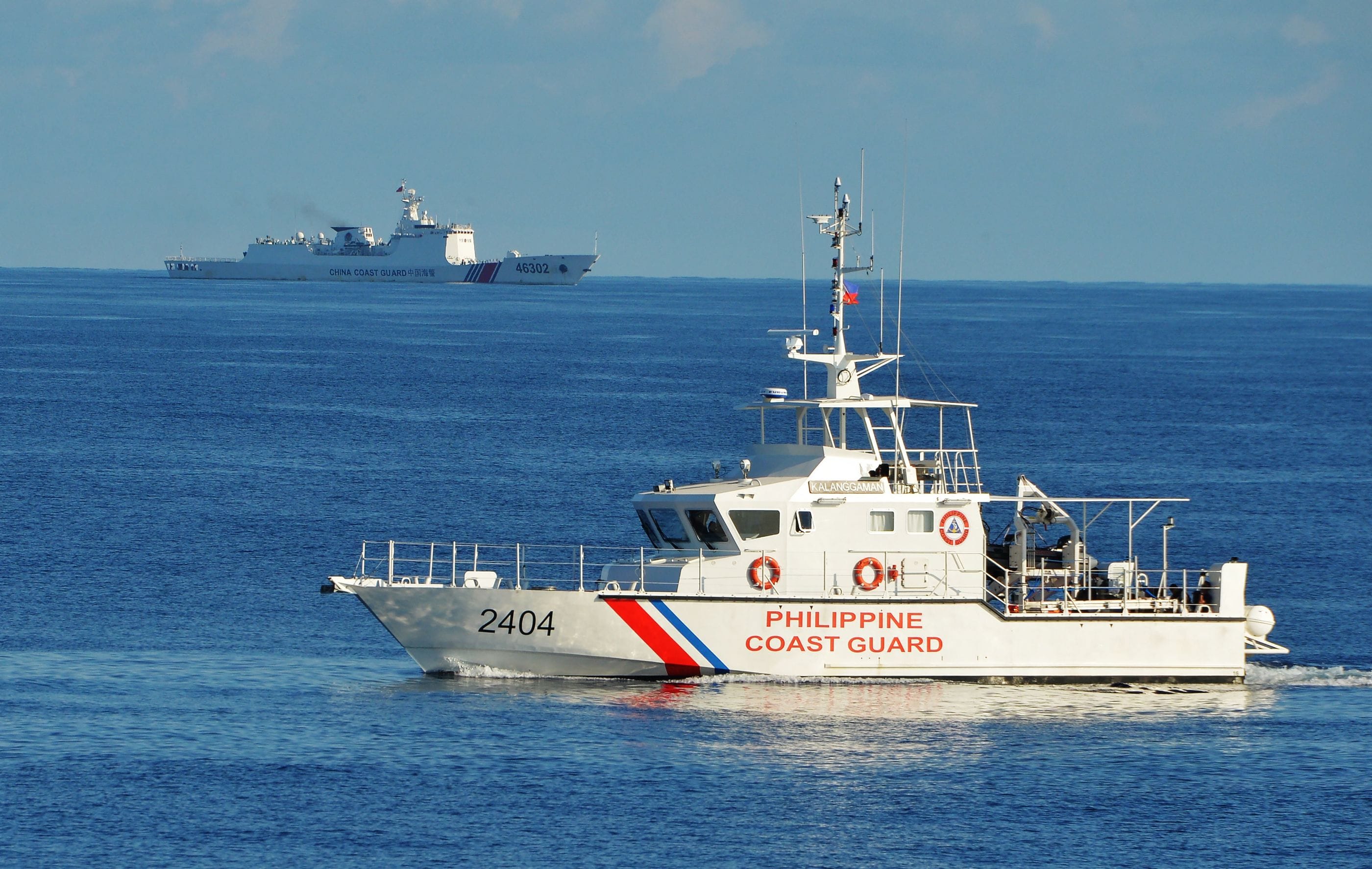
Consider Scarborough Shoal. What began years ago as sporadic patrols has evolved into near-constant Chinese Coast Guard presence, with Philippine vessels routinely shadowed, blocked, or warned off. In recent months, open-source tracking and regional reporting have documented repeated close encounters involving water cannon use, dangerous maneuvering, and coordinated operations between coast guard, naval units, and maritime militia. No single incident crosses the threshold of armed conflict but together, they form a pattern that is deliberate, sustained, and unmistakably strategic. This is coercion without invasion, control without conquest.
What makes this approach especially effective is how it compares to other flashpoints. In the Taiwan Strait, China signals power loudly, with exercises, missile tests, and aircraft incursions that dominate global news cycles. In the East China Sea, disputes with Japan are tightly managed under clear red lines backed by strong alliances. But in the West Philippine Sea, Beijing applies pressure differently. It exploits legal ambiguity, asymmetries in capability, and the assumption that grey-zone actions will not trigger collective response. Unlike Vietnam or Indonesia, which respond with more muscular enforcement, the Philippines faces the challenge of defending its claims under constant scrutiny and constraint.
The contrast is stark. Russia’s maritime assertiveness in the Black Sea relies on overt militarization. Iran’s naval tactics in the Gulf involve dramatic seizures and televised confrontations. China’s strategy in the West Philippine Sea is quieter and arguably more dangerous because it aims to change facts on the water gradually, normalizing exclusion and compliance over time. As one regional security analyst recently warned, “The absence of war does not mean the absence of conquest.
This is why China’s maritime buildup in the West Philippine Sea deserves urgent attention now. Not because an invasion is imminent but because denial, harassment, and economic pressure are already underway. The real threat is not a sudden clash that shocks the world, but a slow erosion of access and authority that happens while global focus remains elsewhere. By the time it registers as a crisis, the balance may already have shifted.
Why does “global distraction” matter?
Global distraction is not just a background condition; it is an enabling environment. In recent months, diplomatic bandwidth and media attention have been heavily absorbed by large-scale demonstrations and state responses in Iran, alongside a high-profile geopolitical spat over Greenland and Arctic security. These issues demand constant crisis management, senior-level engagement, and narrative control from major powers. The result is not indifference to the South China Sea, but reduced immediacy, fewer headlines, slower political reactions, and less coordinated signaling when incidents occur in the West Philippine Sea.

Beijing understands this dynamic well. Chinese maritime behavior has consistently shown a preference for operating in spaces where international attention is diffuse and response thresholds are unclear. When the spotlight is elsewhere, incremental actions become cheaper: a longer patrol here, a closer maneuver there, another warning issued over radio. None of these steps individually justify emergency summits or sanctions, but collectively they reshape behavior on the water. Analysts tracking Chinese activity patterns from 2024 through 2026 have noted this stepped approach, probing, pausing, then pressing again, particularly during periods when global crises dominate the agenda.
This does not require coordination across theaters or opportunism in the crude sense. It is simply strategic patience. In contrast to kinetic escalation, which demands immediate justification, grey-zone coercion thrives on delay and distraction. Each additional day without strong reaction becomes a data point reinforcing Beijing’s assessment that the costs remain manageable. Over time, what began as tactical maneuvering hardens into an operational norm.https://indopacificreport.com/41-chinese-vessels-detected-in-west-philippine-sea-manila-raises-alarm/
The danger, therefore, is not that the West Philippine Sea has been forgotten but that it has been deprioritized at moments when pressure is quietly increasing. History suggests that maritime control is often established not during moments of maximum attention, but during periods when the world is focused elsewhere. By the time the spotlight returns, the new reality is already in place.
Latest concrete indicators of Chinese maritime buildup
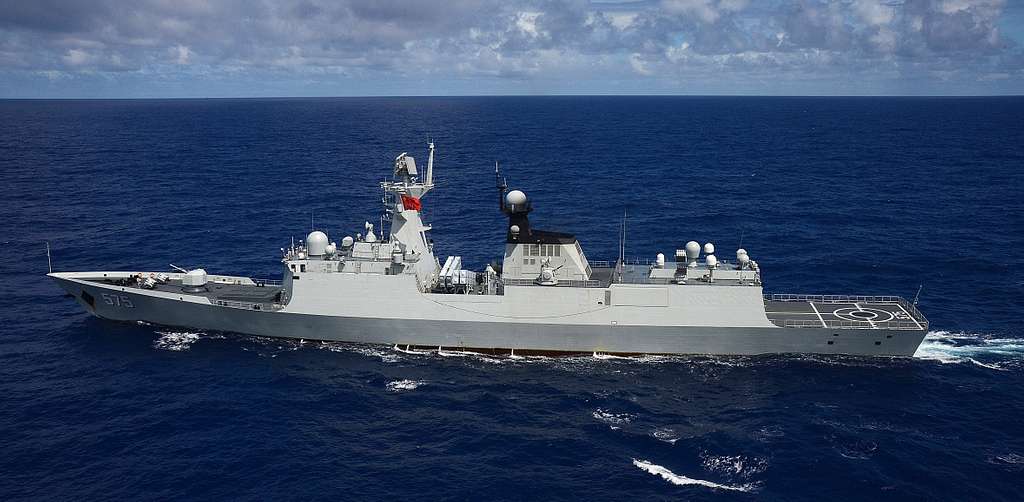
Chinese maritime activity in the West Philippine Sea has intensified in ways that are both subtle and persistent. Philippine media and open-source tracking reveal a steady increase in Chinese government vessels, including Coast Guard cutters, PLA Navy warships, and maritime militia boats, operating near Scarborough Shoal and other contested features. In 2025 alone, Philippine authorities observed dozens of Chinese ships patrolling Philippine waters, a sharp rise from previous years. These patrols are not random, they are carefully coordinated, prolonged, and designed to assert presence without triggering outright conflict.
The pattern of harassment and control has become increasingly bold. On 28 October 2025, Philippine Coast Guard aircraft recorded a close encounter involving four China Coast Guard ships and a PLA Navy warship near Bajo de Masinloc. The Chinese vessels shadowed Philippine patrols, challenged them over radio, and even used water cannons, a clear message that Beijing was prepared to escalate if necessary. Such actions, repeated over months, normalize coercion and gradually push the boundaries of what Philippine forces can do.
The trend continued into 2026. On 20 January, the Chinese military openly announced that it had mobilized both naval and air forces to “warn and drive away” a Philippine government aircraft over Scarborough Shoal. The public statement itself is telling: it signals readiness to project force, tests Philippine response thresholds, and communicates to both local actors and the international community that Beijing can operate in contested waters with impunity.https://youtu.be/J8FgL2E_11Y?si=nBfTiO6Xv9IZ_L3V
Beyond patrols and confrontations, Beijing has increased the presence of research and dual-use vessels in the Philippine EEZ. Around 20–22 research ships entered these waters in 2025, raising sovereignty concerns while operating under the guise of civilian or scientific activity. Meanwhile, sustained patrols and harassment forced Philippine vessels to remain at sea longer, averaging nearly a month at sea in some periods, simply to monitor and deter Chinese movements.
These developments reveal a quiet but persistent strategy: China is steadily building operational familiarity, projecting power, and establishing presence without firing a shot. Every encounter, every shadowing maneuver, and every research ship operating in Philippine waters contributes to a slow but unmistakable shift in the maritime balance. It is coercion by attrition, normalized over time, and it is happening while much of the world’s attention remains elsewhere.
Strategic Logic: Capability + Intent
China’s maritime operations in the West Philippine Sea are shaped by a deliberate combination of capability and intent, allowing Beijing to exert influence without resorting to open conflict. On the capability side, China now fields a large, modern Coast Guard, an increasingly blue-water navy, and a maritime militia capable of maintaining persistent presence and harassment. These forces are not optimized for a single decisive naval battle. Instead, they are designed for sustained pressure, enabling China to gradually shape conditions in contested waters while keeping political and international costs low.
Intent is equally visible in Beijing’s behavior. Repeated law-enforcement-style patrols, warnings issued to Philippine aircraft, and coordinated efforts to shadow, block, or intimidate survey and maintenance vessels all signal a strategy of controlled escalation. Each maneuver, from close-in water-cannon warnings to coordinated militia presence, communicates a clear message: China can act with impunity in contested zones and shape the facts on the water without firing a shot. Over time, these incremental actions normalize exclusion and assert control without provoking outright military confrontation.https://indopacificreport.com/south-china-sea-china-warriors-report/
The real threat, therefore, is less about sudden war and more about gradual restriction of Philippine access and operational freedom. Grey-zone denial of access is the most immediate concern, as Chinese vessels shadow Philippine ships, maneuver dangerously close, or obstruct maritime operations. This persistent interference causes delays in projects, forces contractors to reconsider or withdraw, and raises insurance and operational risks, creating a de facto exclusion zone without any open conflict.
Economic and contractual pressure forms another layer of influence. Beijing leverages diplomatic channels, Chinese firms, and insurer warnings to subtly constrain Philippine operations. This indirect coercion has been observed repeatedly in recent years, nudging Manila toward negotiations, joint-development offers, or concessions simply to maintain maritime activity. Legal and administrative measures, such as proclamations of management zones or nature reserves, provide a veneer of legality for exclusion, making these restrictions politically difficult to challenge.
China could also exploit cyber or supply-chain vulnerabilities, targeting subsea control systems, ports, or logistics networks to disrupt Philippine operations. While less visible than physical presence, such interference creates operational hazards and commercial stoppages that compound the effects of grey-zone pressure. The least likely scenario, a direct military seizure of Philippine vessels, remains highly consequential. A sudden kinetic action would trigger an immediate regional crisis and likely provoke international sanctions and coordinated military responses, making it politically costly for Beijing and therefore a low-probability option.https://youtu.be/L3ZRYeAUQ8g?si=ws9xMxiZsPkkyZqy
In sum, China’s strategy in the West Philippine Sea combines modern capabilities with patient, incremental tactics. It does not seek sudden war; it seeks persistent control, shaping access, and operational norms while testing response thresholds, gradually normalizing exclusion, and forcing Manila to operate under constrained conditions. Over time, these measured actions can shift the maritime balance without ever crossing the threshold into full-scale conflict.
Case Studies: Comparable Precedents and Lessons
Historical episodes across the South and East China Seas provide clear lessons on how persistent presence and maritime enforcement can shift control even without traditional conflict. In 2014, the Haiyang Shiyou-981 standoff between China and Vietnam demonstrated the power of combining state assets with maritime enforcement. China deployed a state-owned drilling rig protected by paramilitary and Coast Guard vessels, creating a prolonged standoff that significantly disrupted Vietnamese operations. The lesson is clear: the mere combination of infrastructure and persistent maritime presence can coerce rivals away without firing a shot.
Philippines & the U.S. STUNNED by China’s Latest South China Sea MOVE
A second example comes closer to home at Scarborough Shoal, where the Philippines and China have been in a drawn-out standoff since 2012. Despite Manila’s legal victory at the 2016 Permanent Court of Arbitration ruling in its favor, China’s sustained maritime presence produced permanent practical control over the area. The key takeaway is that legal success alone cannot guarantee physical access if one side maintains continuous presence and enforcement capabilities.
The third precedent involves Reed Bank and repeated harassment of survey vessels in Philippine waters. Civilian survey and pre-production activities have proven to be highly vulnerable to Chinese interdiction, threats, and shadowing. These incidents illustrate that the softest, most exposed phases of maritime operations, seismic surveys, installation, or early exploration, are where grey-zone coercion is most effective. Collectively, these cases show a consistent pattern: persistent presence, enforcement, and incremental pressure can reshape access and control even without full-scale conflict.
Who Benefits if China Succeeds in Denying Access
If Beijing achieves de facto control over contested areas, the benefits accrue on multiple levels. For China itself, the outcome would provide strategic control, strengthening its bargaining position vis-à-vis Manila while establishing a precedent that discourages other claimants from challenging its actions. Chinese state-owned firms also stand to gain, capturing contracts and securing access to energy resources. Beyond Beijing, regional ripple effects could be significant: foreign investment in Philippine offshore development may decline, while grey-zone tactics by China could be seen as low-risk templates for influencing other regional actors. In short, success in denying access is not merely a tactical victory, it strengthens a wider geopolitical and economic strategy.https://indopacificreport.com/will-china-and-the-philippines-adhere-to-their-most-recent-arrangement/
Indicators to Monitor: Operational Dashboard
Tracking the dynamics of Chinese operations requires continuous monitoring of both maritime and commercial signals. Key indicators include sudden increases in Coast Guard, Navy, or maritime militia vessels operating within 0–200 nautical miles of Philippine EEZ features, as well as close-approach incidents involving harassment, water cannon, or obstruction of vessels. Airspace challenges, such as the January 20, 2026 incident involving a Philippine aircraft near Scarborough Shoal, also serve as important indicators of intent and escalation. Commercial signals matter too: contractor cancellations, insurer advisories, or tender outcomes favoring PRC firms can reflect indirect pressure. Finally, legal and administrative maneuvers, like publication of new baselines, notices, or “protected area” declarations, provide early warning of attempts to create a legal veneer for exclusion. Taken together, these operational and commercial indicators form a watchlist that can help the Philippines anticipate and respond to grey-zone activity.https://youtu.be/OMUbZ4O1wdI?si=jLG4_Yy_sMVLWZ6D
Risk Matrix: Likely vs. Impactful Outcomes
Analyzing risk reveals that grey-zone harassment of maritime projects carries the highest probability and significant economic and political consequences. Delays in projects, interruptions to survey work, and contractor withdrawals impose tangible costs and gradually erode Philippine operational freedom. By contrast, direct kinetic seizure of assets is less likely due to the high political, diplomatic, and military cost for China. However, if such an event were to occur, the impact would be catastrophic, potentially triggering third-party intervention and a regional crisis. Understanding these probabilities helps focus operational and diplomatic responses where they are most needed.
Practical Policy and Operational Recommendations
Immediate measures should focus on documentation, protection, and signaling. A public evidence campaign can compile geolocated incident logs, imagery, and AIS overlays to create an indisputable record for partners, insurers, and domestic audiences. All high-value survey, drilling, or maintenance vessels should receive mandatory naval or Coast Guard escorts, with pre-notification to allied ISR assets for situational awareness. On the commercial side, contracts should include security clauses, penalty provisions for state interference, and force-majeure triggers linked to grey-zone harassment. Establishing state-backed insurance or allied insurer cooperation can prevent contractor flight and ensure continuity of operations.
https://youtu.be/SLuTmSdmuqg?si=k1TgrxEiamAdznog
Medium-term measures over the next three to twelve months should expand maritime domain awareness, including satellite tasking, long-range patrols, and rapid-response special operations teams to secure contested sites. Commercial diversification, pursuing joint ventures with multiple friendly partners, can complicate single-point coercion, reducing vulnerability to indirect pressure. Diplomatically, incidents should be multilateralized, converting isolated confrontations into coalition messaging with partners such as the U.S., Japan, Australia, and the EU. Accelerating ASEAN engagement to establish UNCLOS-based codes of conduct can further delegitimize unilateral exclusion.
Messaging and Communications
Clear and consistent messaging is critical. Officials can emphasize a line such as: “We will defend our sovereign rights peacefully but firmly, and we will document and internationalize any interference.” For partners and allies, messaging should highlight the broader implications: “Commercial and security risks in the West Philippine Sea have immediate knock-on effects for regional stability and investment; coordinated diplomatic signaling is essential.” Effective communication reinforces deterrence, signals resolve, and ensures that grey-zone harassment is recognized internationally as a deliberate attempt to disrupt lawful operations rather than routine presence.
https://youtu.be/iSO66NJpefM?si=38utUsT4eejDRagn