Introduction: Sabah’s Flag as a Symbol of Identity and Sovereignty
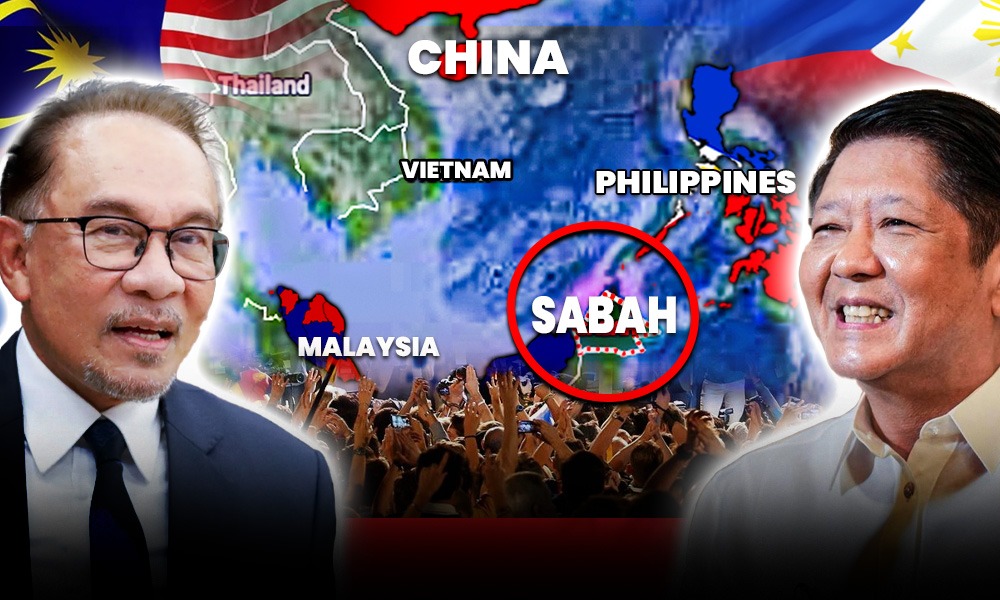
Flags aren’t just pieces of fabric—they’re powerful symbols of who we are and where we belong. In Sabah, this rings especially true, with three official state flags since 1963 reflecting a tug-of-war between Sabah national unity and local pride. Imagine a hypothetical Sabah referendum or Sabah flag referendum today: it would be a dramatic clash of histories and identities, testing loyalties in the Sabah autonomy debate and Sabah federalism debate. The Malaysia Sabah flag options include the Malaysian National Flag (Jalur Gemilang) standing for federal integration, appealing to those who value security, economic perks, and protection from threats like the Sulu Sultanate claim Sabah and Philippine claim to Sabah. On the other hand, the current Sabah State Flag (Sembilan Bintang) would rally calls for more self-rule, while historical or separatist flags might draw a passionate minority pushing for the Sabah independence movement.
Geopolitics and Sabah identity politics would play huge roles, balancing Malaysia Agreement 1963 (MA63) promises against real-world economics. Voters might weigh federal subsidies against Sabah resource control, all while eyeing the Philippine claim to Sabah. In the end, I’d bet on a win for the Sembilan Bintang flag, signaling strong demand for East Malaysia autonomy and Sabah autonomy without fully breaking from Malaysia. This isn’t just about colors—it’s a window into Sabah’s soul, craving more control while staying tied to the federation amid Sabah geopolitical risks.
Flag Option 1: The Malaysian National Flag (Jalur Gemilang)
For many in Sabah, the Jalur Gemilang Sabah isn’t just Malaysia’s flag—it’s a promise of Sabah national unity, safety, and shared success. With its bold red, blue, and yellow stripes, it resonates deeply with about 67.6% of Sabah’s Bumiputera population, including Kadazan-Dusun, Bajau, and Murut groups who benefit from federal programs like university spots, business grants, and affordable housing. A 2022 IRI survey showed 67% of Malaysians feeling positive about the country’s direction, and that sentiment likely echoes in Sabah, where folks see the federation as key to their future.
Security is a big draw too. Sabah joined Malaysia in 1963 partly for protection, as noted in the Cobbold Commission, and that need feels urgent today amid South China Sea incursions Sabah and the ongoing Sulu Sultanate claim Sabah. The Malaysian military, coast guard, and diplomacy provide a shield that’s hard to replace. Think federal troops, surveillance posts, and intel networks—all under the Jalur Gemilang.
Economically, it’s a no-brainer for some. Billions in federal funds flow to Sabah for roads, ports, and subsidies on essentials like rice and fuel. Post-pandemic aid and disaster relief after storms like Typhoon Nalgae remind people that Kuala Lumpur’s support keeps things stable.
This bloc includes civil servants, security personnel, business owners hooked on national markets, and rural families relying on federal healthcare. Voting for the Jalur Gemilang in a Sabah flag referendum would affirm not just patriotism, but a practical choice for stability and defense in the Sabah autonomy debate and Sabah federalism debate.
https://www.youtube.com/watch?v=Zi_yoXyPUDk
Flag Option 2: The Current Sabah State Flag (Sembilan Bintang)
Adopted in 1988, the Sembilan Bintang flag is the heartbeat of Sabah-first identity. Its zircon and icicle blue bands cradle a silhouette of Mount Kinabalu, Southeast Asia’s tallest peak and a sacred site for the Kadazan-Dusun, who make up about 19.3% of the population. This Mount Kinabalu flag symbolism screams local heritage, unity, and peace, making it a perfect emblem for those pushing back against federal overreach.
At its core, it’s tied to the Malaysia Agreement 1963 (MA63), which promised Sabah real autonomy over resources and governance. But years of central control have left many feeling robbed, especially with Sabah’s oil and gas wealth flowing more to Kuala Lumpur than back home, highlighting issues of Sabah resource control. Politicians and activists wave the Sembilan Bintang flag to demand better infrastructure, jobs, and revenue sharing—essentially, honoring the original MA63 Sabah rights.
Support comes from indigenous communities, urban nationalists frustrated with development gaps, and grassroots groups at festivals or protests. It’s not always about leaving Malaysia; it’s about rebalancing the federation so Sabah feels like an equal partner in East Malaysia autonomy.
In a hypothetical Sabah referendum, this could snag a plurality, reflecting the Sabah autonomy debate without full secession. For voters, hoisting the Sembilan Bintang flag is a proud stand for cultural dignity and economic justice under MA63 Sabah rights.
China’s Bombers Move In, Manila Refuses to Back Down – South China Sea Crisis Escalates
Flag Option 3: Historical or Separatist Flag Options (Minority View)
A smaller, fiery group in a Sabah flag referendum would back historical or separatist flags, each loaded with stories of betrayal and dreams of self-rule. These aren’t mainstream, but they stir deep emotions in the Sabah independence movement.
Take the 1963–1981 “Old Glory” flag, with its blue-over-red field and white canton—it flew when Sabah joined Malaysia under MA63, promising equal partnership. Supporters see it as a reset to reclaim lost autonomy on taxes and resources, a nod to “true federalism” eroded by amendments.
More radical folks eye the old British North Borneo flag or new separatist designs, pushing for full independence. They cite economic woes—Sabah’s resource riches haven’t lifted it from underdevelopment—and argue MA63 failed. Online chatter dreams of a standalone Sabah thriving on shipping lanes and hydrocarbons, free from “central corruption,” amid Sabah secession risks.
But reality bites: the Philippine claim to Sabah, boosted by a 2022 $15 billion arbitration award to Sulu heirs, could explode in chaos. A breakaway state might invite piracy, great-power meddling, and instability without Malaysia’s defense, amplifying Sabah geopolitical risks.
This minority draws from hardcore autonomists and youth inspired by global self-determination. They won’t win big, but they’ll amplify debates on justice and Sabah identity politics, reminding everyone the federation’s story isn’t over.
Geopolitical and Security Hurdles to Secession
Jumping to independence sounds bold, but geopolitics make it a nightmare. The Sulu Sultanate claim Sabah lingers, with that 2022 ruling adding legal fuel—secession could invite aggressive moves from Manila or others. Sabah’s spot on vital sea routes and oil fields might draw superpowers into the fray, while lacking a strong military leaves it exposed to crime and South China Sea incursions Sabah.
In the Sabah autonomy debate, these Sabah secession risks push most toward staying in Malaysia, where federal forces provide a safety net.
Pentagon’s $975K Project at Oyster Bay Sends a Warning to China
Political Base and Influence on the Referendum
Support for these fringe flags is niche: die-hard separatists, neglected communities, and young idealists in the Sabah independence movement. They won’t dominate a hypothetical Sabah referendum, but they’ll spotlight MA63 Sabah rights and fairness issues, influencing the broader conversation on sovereignty in East Malaysia autonomy.
End Note: What a Flag Vote Would Really Mean for Sabah
A Sabah flag referendum would dig deep into Sabah federalism debate, autonomy, and who Sabahans really are—far beyond picking a design. It’s about reclaiming MA63 promises in an age of geopolitical shifts.
I’d predict a plurality for the Sembilan Bintang flag, capturing the push for Sabah autonomy and local pride. But the Jalur Gemilang Sabah would hold strong with those valuing Sabah national unity and security. This divide shows Sabah wants more say without ditching the federation—balancing empowerment with cohesion in the Sabah identity politics landscape.
https://indopacificreport.com/south-china-sea-crisis-china-bombers-manila-refuses-back-down/