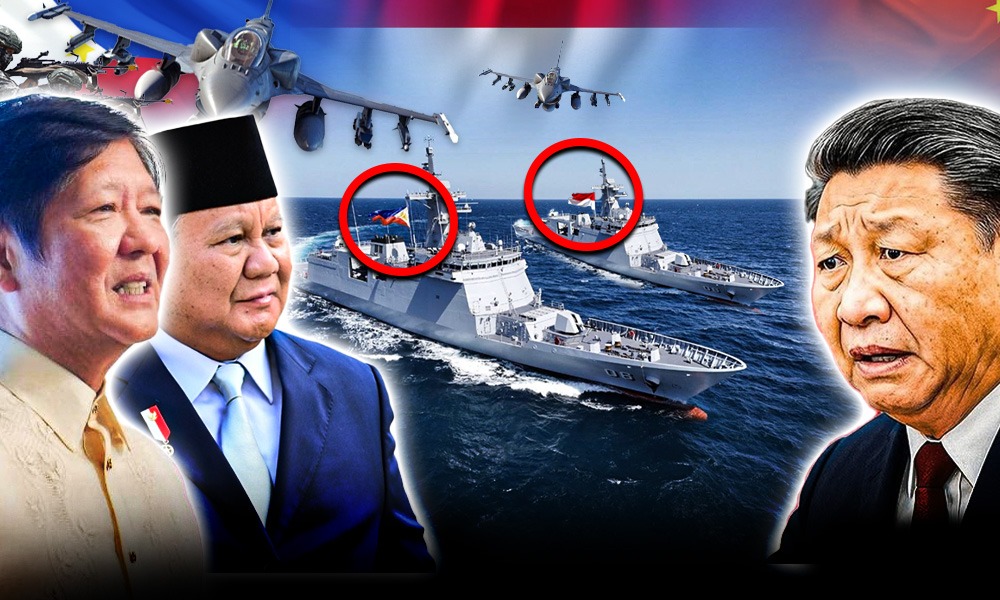
In late September 2025, the skies and seas over North Sulawesi near the Indonesia–Philippines maritime border became a stage for strategic signaling. The two nations launched Maritime Training Activity (MTA) Philindo 2025, a bilateral naval exercise involving ships such as Indonesia’s KRI Lumba-lumba 881 and the Philippines’ BRP Artemio Ricarte. As Lt. Col. Rudi Tandirerung of the Indonesian Naval Command put it: “This exercise is expected to strengthen bilateral cooperation while increasing the professionalism of the soldiers of both countries in maintaining maritime security stability in the Indonesia-Philippines border region.”
The public framing emphasizes cooperation and security. But underneath lies a more urgent question: is this a defensive posture bought by China’s neighbors or a reaction born of anxiety at Beijing’s assertiveness in the South China Sea? After all, nearly US$5 trillion in annual global trade passes through these contested waters, making stakes extremely high for regional players. Manila still grounds its legal claims on the 2016 UN arbitral ruling that rejected China’s sweeping claims, a decision Jakarta implicitly supports by adhering to UNCLOS principles.
Indonesia Shifts, Philippines Asserts
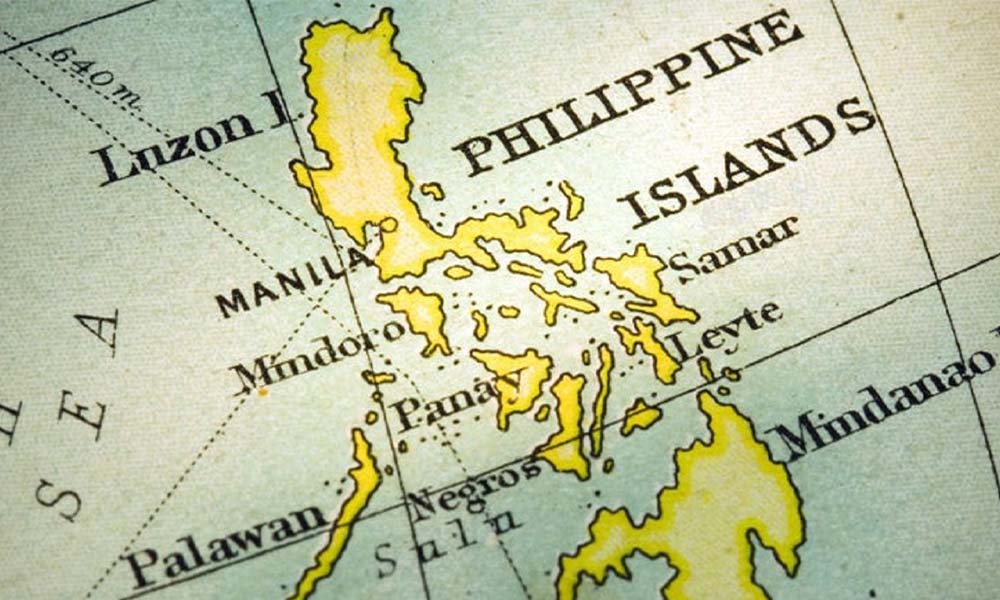
MTA Philindo 2025 didn’t emerge from nowhere. Its location, Bitung, North Sulawesi, is close to Indonesia’s maritime boundary and a strategic node in regional security. The focus is clear: boost interoperability, strengthen maritime security, and deter illicit activity along a border area that sees piracy, smuggling, and illegal fishing. This bilateral drill builds on earlier trilateral frameworks like INDOMALPHI (Indonesia–Malaysia–Philippines), historically focused on combating threats in the Sulu and Sulawesi Seas. That cooperation is now being deepened, repurposed for broader strategic signaling.
The broader context reinforces the momentum. Before Philindo 2025, the Alon 2025 exercise, a multilateral naval drill involving the Philippines, Australia, U.S., and Canada, mobilized around 3,600 personnel. The earlier Super Garuda Shield 2025, co-led by Indonesia and the U.S., gathered over 6,500 troops from 13 nations. These exercises underscore how ASEAN members are increasingly comfortable operating alongside extra-regional powers, even while maintaining formal positions of non-alignment. Philippine military spokespeople emphasize that such drills are about training, cooperation, and stability, not provocation. As Col. Francel Margareth Padillat has defended past exercises: “This long-standing initiative… is aimed at enhancing cooperation, fostering training opportunities, and strengthening regional stability.”
China’s Pressure Play: Warnings, Patrols, and Projection
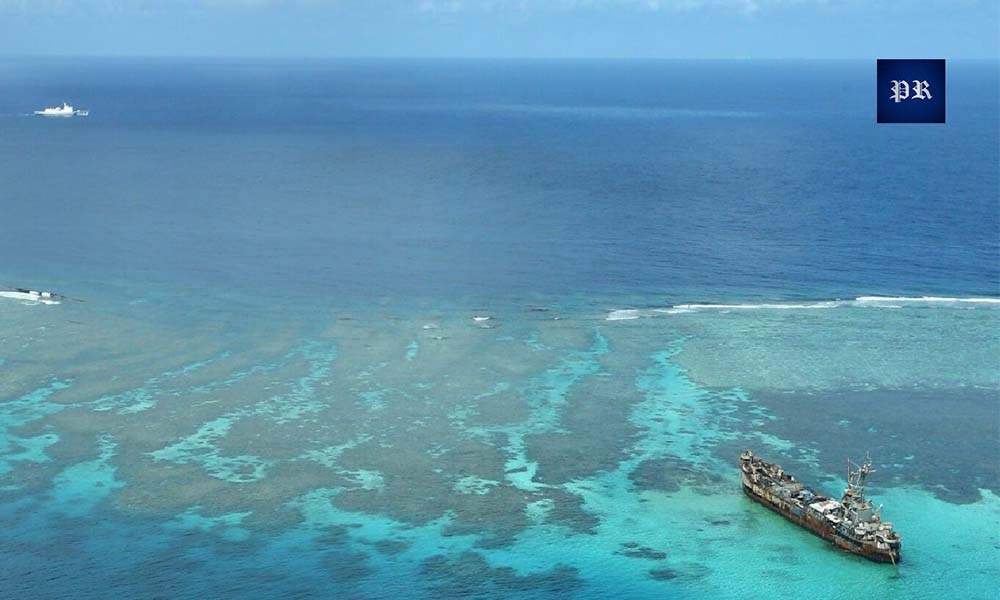
Beijing was quick to respond. China’s Ministry of National Defense, through spokespersons like Jiang Bin, decried regional drills as attempts to “provoke confrontation” and warned that military cooperation should “not target any third party or undermine regional peace and stability.” Simultaneously, China continues what it calls “routine patrols” around disputed features. These patrols often follow or overlap with regional naval maneuvers near features like Scarborough Shoal or Second Thomas Shoal. In many cases, the Chinese coast guard uses “grey-zone” tactics: water cannons, harassment, or shadowing foreign vessels. For example, recent reports indicate China used water cannons against Philippine vessels around contested shoals.
The Philippines, for its part, has pushed back on Chinese claims that its naval maneuvers are provocative. Its navy has expressed doubt that Chinese patrols near the Panatag (Scarborough) Shoal qualify as routine when they shadow Philippine vessels during drills. This seesaw of drills and patrols reveals a deeper dynamic: China may seek deterrence, but its neighbors are now employing collective security signaling to raise the cost of unilateral maritime encroachment.
ASEAN, Alliances, and the Turning Tide
Indonesia, though a non-claimant in many of the South China Sea disputes, has felt pressure in its Natuna Islands EEZ, where Chinese coast guard vessels have entered waters Indonesia considers its own. This shared sense of vulnerability helps explain Jakarta’s alignment shift with Manila. Indonesia regularly asserts its commitment to UNCLOS and insists on dispute resolution via legal norms rather than historical claims or force. For the Philippines, alliances with global powers are part of its defense strategy. Through the Enhanced Defense Cooperation Agreement (EDCA), Manila now allows U.S. forces access to nine bases, effectively extending U.S. influence deep into the sea corridors China seeks to dominate.
Increasingly, Southeast Asian nations are investing in Maritime Domain Awareness (MDA) platforms: sensor networks, satellite monitoring, joint intelligence sharing, and interoperable communication systems. In future conflicts of attrition, the ability to detect and document incursions may be as crucial as naval presence. In a region once assumed “on balance” with China, these drills mark a shift: archipelagic states are no longer just reactive. They are organizing and signaling through law, alliances, diplomacy, and occasional shows of force.
Marco Rubio Wants to Turn the Philippines Into China’s Worst Nightmare
Conclusion: Panic or Calculated Deterrence?
Is this China panic? Perhaps not in the emotional sense but yes in strategic reaction. The MTA Philindo 2025 drill is not a frenzied scramble; it’s a measured escalation: Japan, Australia, India, U.S., ASEAN all are forming overlapping layers of deterrence. China faces a harder operational environment for its grey-zone coercion when multiple navies coordinate in sensitive maritime zones. If Beijing insists on further unilateral assertions, it will face a tougher, more organized front. The Indo-Philippine exercise does not alone shift the balance, but it signals something new: the regional threshold for tolerating Chinese overreach is rising.
In effect, China is now seeing what many of us have long suspected: neighbors once wary of provoking Beijing are waking up, quietly building coalitions and strategies to resist maritime encroachments. The naval drills may be small in scale, but their implications are big: in the maritime chessboard of Southeast Asia, the pieces are being rearranged and China may not be able to take the board for granted as it once did.