In just over a decade, the Philippines is set to shatter expectations and claim its spot as Southeast Asia’s second-largest economy, overtaking Thailand and Singapore. By 2039, this powerhouse nation will leapfrog 10 global positions, skyrocketing from 33rd to 23rd in the world rankings. Imagine the impact: a nation long underestimated is about to rewrite the economic map of ASEAN. How will this rapid rise reshape the region, and what secrets lie behind this explosive growth? Let’s dive into the explosive future of the Philippines!
GDP Growth Forecasts:
The Philippines is on the brink of an unprecedented economic transformation. By 2039, the nation’s GDP is projected to triple, reaching a staggering $1.5 trillion—a colossal leap from its current position. This explosive growth is not just a statistic; it’s a seismic shift that will elevate the country into the ranks of global economic heavyweights. Imagine the Philippines’ GDP expanding to three times its current size, marking a monumental achievement for a nation that has long been seen as a rising star in Southeast Asia.
But the growth doesn’t stop there. The country’s GDP per capita, which stood at a modest $3,500 in 2022, is set to soar to over $6,000 by 2030. By 2050, the Philippines will be nearing $33,600 per capita, positioning its citizens among the wealthiest in the region. This isn’t just a boost in numbers, it’s a life-changing rise that promises to redefine standards of living and create a burgeoning middle class that will drive further innovation and consumption.
At the heart of this remarkable expansion is an astonishing 6.3% average annual GDP growth forecasted between 2025-2029. This growth trajectory is unparalleled in Southeast Asia, offering a powerful signal that the Philippines is not only catching up with its neighbors but is poised to outpace them. The country’s rapid expansion will be fueled by key sectors such as technology, manufacturing, and services, positioning it as a magnet for global investment and a critical hub in the ASEAN economic bloc.
Economic Drivers: The Powerhouses Behind the Philippines’ Explosive Growth
The Philippines is on the verge of an economic renaissance, driven by some of the most powerful engines of growth in the global economy. Domestic consumption, robust remittances, and a growing labor force are converging to propel the nation into a period of sustained economic prosperity..
Domestic Consumption: The Pulse of Growth
Domestic consumption remains the lifeblood of the Philippines’ economy, providing a constant and expansive foundation for growth. As urbanization accelerates, the Philippines is witnessing the rapid expansion of its middle class—a crucial factor in boosting private consumption. The growing middle class, empowered by better jobs and higher incomes, is fueling a massive surge in demand for goods and services, from everyday consumer products to high-tech innovations. The more Filipinos can spend, the faster the economy grows, and this trend shows no sign of slowing.
Remittances: The Unsung Hero
Another key pillar of the Philippine economy is the inflow of remittances. With over 10 million Filipinos working abroad, the country continues to rank among the top recipients of remittances worldwide, with nearly $40 billion flowing in from overseas in 2024 alone. This immense cash injection directly boosts the purchasing power of families, further fueling domestic consumption and driving economic growth. As the Philippines becomes more integrated into the global economy, remittances are expected to keep playing a vital role in stabilizing the nation’s economic outlook.
A Growing Labor Force: The Backbone of Expansion
The Philippines boasts a young and dynamic workforce, one of the largest in Southeast Asia, which is expected to grow at a steady pace. As more Filipinos enter the workforce, the nation is seeing not just an increase in human capital, but also a greater demand for skilled labor across various industries. This expanding labor force provides the necessary manpower for growth in sectors like business process outsourcing (BPO), manufacturing, and technology, laying the groundwork for a diversified and robust economy.
Urbanization: Paving the Path to Prosperity
Urbanization is sweeping across the Philippines, and this shift is unlocking new opportunities for both private consumption and investment. As more people migrate to urban centers, the demand for infrastructure, housing, and services is skyrocketing. This trend is attracting both domestic and international investments, further stimulating growth in construction, retail, and services. With mega-projects like the Metro Manila Subway and the North-South Commuter Railway underway, urbanization is not just transforming the country’s landscape but also creating long-term sustainable growth.
Looking at the Regional Landscape: The Philippines’ Competitive Advantage
By 2028, the Philippines’ economy is projected to surpass that of Switzerland and Taiwan, ranking at number 23 in the global economic league table, a remarkable rise from its current position. While countries like Singapore and Thailand maintain strong economies, the Philippines is on track to outpace them with a GDP forecasted to reach $1 trillion by 2033. This exceptional growth trajectory places the Philippines among the top emerging markets globally, poised to join the ranks of nations like China, Japan, and India in terms of economic stature.
As the country continues to build momentum, it is well-positioned to attract $100 billion in investment deals from countries like the United States and Japan, particularly in sectors like energy, semiconductors, and the digital economy. These investments will further catalyze the country’s already impressive growth, ensuring that the Philippines will not just keep pace with its regional peers but will outshine them in the coming decades.
The Services Sector: A Beacon of Growth
The Philippines’ services sector has long been a cornerstone of its economic strength, particularly in business process outsourcing (BPO), tourism, and finance. As the global demand for outsourcing continues to rise, the Philippines is poised to capture even more of the market, bolstering its standing as the BPO capital of the world.
With the country’s large, English-speaking labor force and a robust demand for outsourced services, the Philippines’ BPO industry is forecast to exceed 2 million employees by 2025, further propelling the nation’s global competitiveness. Tourism is set to skyrocket as the government invests in critical infrastructure to support this growing sector. With recent advancements and the expected boost from new multimillion-dollar projects, the Philippines is ready to become a tourism powerhouse in Southeast Asia.
A Bright Future: Becoming a Regional and Global Economic Force
The Philippines is not just aiming for incremental growth but for an economic revolution that will see it rise from being Southeast Asia’s 10th largest economy to becoming one of the world’s top 18 economies by 2050. With a focus on investment, urbanization, and infrastructure development, the Philippines is primed to leapfrog its regional competitors and become a key global player in the coming decades.
Are you ready for the Philippines to become the next big global success story? The future looks brighter than ever, and the country is poised to deliver on its potential in ways that will redefine the economic landscape.
Strategic Investments in the Philippines
The Philippines is targeting a bold $100 billion in investments over the next decade, focusing on key sectors such as energy, semiconductors, infrastructure, and the digital economy. This strategic investment push aims to strengthen the country’s economic resilience and capitalize on emerging global trends. In the energy sector, the Philippines is prioritizing renewable energy and nuclear power technologies to meet growing demand and ensure a stable energy future. The semiconductor industry, with its expanding global market, also presents significant opportunities for the country to attract major tech players and establish itself as a key manufacturing hub.
Infrastructure development is another major focus, with the Philippines partnering with countries like Japan and the United States for major projects. Notable infrastructure initiatives include the Metro Manila Subway and the North-South Commuter Railway, which will significantly improve transportation efficiency in the country’s urban areas, boosting economic productivity.
Alongside physical infrastructure, the Philippines is also making strides in the digital economy. The country is expected to attract investments in digital infrastructure and technology startups, with increasing urbanization and a growing middle class creating a favorable environment for innovation.
These strategic investments, backed by robust international partnerships with Japan and the U.S., are expected to pave the way for sustainable economic growth in the Philippines. The collaboration with Japan focuses on major infrastructure projects, while the U.S. contributes investments in the semiconductor and energy sectors, aligning with the Philippines’ long-term goals of modernization and digital transformation.
Philippines’ Economic Growth Driven by Services Sector
The Philippines’ economy is significantly driven by its services sector, which continues to be the largest contributor to GDP. In 2024, the services sector is projected to account for 65.8% of the country’s GDP, up from 62.3% in 2023. This growth reflects the ongoing transformation of the Philippine economy, transitioning from agriculture-based to services and manufacturing-driven. The Business Process Outsourcing (BPO) industry plays a pivotal role in this expansion, employing 1.7 million workers in 2024 and generating over $35 billion in revenue. The sector remains a cornerstone of the economy, leveraging the country’s competitive labor force, English proficiency, and strong service culture.
To the BPO industry, tourism also showed signs of recovery in 2024. The Philippines recorded tourism revenues of ₱76.5 billion, marking a significant rebound as the country continues to recover from the pandemic’s impact on the sector. Despite falling short of its target of 7.7 million international visitors, the Philippines welcomed 5.9 million visitors in 2024, showcasing growth and indicating a steady return to pre-pandemic levels. With ongoing infrastructure projects aimed at improving connectivity and services, the tourism sector is poised for further expansion, contributing to the country’s economic dynamism.
Challenges and Opportunities for the Philippine Economy
The Philippine economy, while booming in several key sectors, faces challenges that could hinder its growth trajectory. One of the primary concerns is the country’s infrastructure deficits, which continue to stymie its full potential. With rapidly increasing urban populations and expanding industries, the existing infrastructure simply cannot keep pace with demand. Roads, ports, and public transportation systems are under pressure, especially in highly urbanized regions like Metro Manila.
These bottlenecks affect logistics, business operations, and the daily lives of millions. The government has already identified this issue, but massive investment and accelerated implementation are still required to modernize the country’s infrastructure. The need for high-impact projects, such as the Metro Manila Subway and North-South Commuter Railway, is more pressing than ever to create smoother connectivity and unlock new economic zones across the archipelago.
Alongside infrastructure, the Philippines faces regulatory competitiveness challenges. As the global economy evolves rapidly, outdated policies and complex regulations create hurdles for businesses. Inconsistent rules across regions and cumbersome processes often discourage foreign investments and limit domestic entrepreneurial growth. To stay competitive, the Philippines must prioritize regulatory reform to create a more business-friendly environment that nurtures innovation and attracts global investments. It’s essential to streamline approval processes, reduce red tape, and strengthen intellectual property protections to give investors confidence in the country’s long-term prospects.
On the brighter side, these challenges present enormous opportunities for growth and transformation. The country’s most significant opportunity lies in the IT-BPM (Information Technology-Business Process Management) industry, a major engine of growth. However, to sustain this momentum, talent upskilling is a must. With AI and automation rapidly advancing, there is an urgent need to equip workers with skills that will allow them to thrive in an increasingly tech-driven environment.
This means not only enhancing the technical expertise of employees but also fostering creativity, problem-solving, and leadership skills to navigate the changing landscape. If the government and private sectors can collaborate effectively to address these gaps, the Philippines could emerge as a global leader in high-value services like software development, AI-based solutions, and cybersecurity, elevating its position on the world stage.
These challenges and opportunities, when addressed strategically, offer the Philippines the potential for a transformative economic future. With proactive investment in infrastructure, regulatory reform, and human capital development, the Philippines can accelerate its rise as a competitive, resilient, and innovation-driven economy. The path is clear, but the speed and precision with which these issues are tackled will determine the pace of progress in the years to come.
Global Comparisons: The Philippines’ Economic Trajectory
The Philippines holds a prominent position in the global economic landscape, with its remittance inflows playing a vital role in driving national growth. In 2024, the country ranks as the fourth-largest recipient of remittances globally, receiving a staggering $40 billion. This remarkable inflow is not just a testament to the enduring strength of the Filipino diaspora but also a critical pillar for the economy. These remittances support household consumption, boost financial markets, and contribute to poverty reduction, making them an integral part of the nation’s economic ecosystem. With millions of Filipinos working abroad, remittances continue to be an essential lifeline for families, helping to fund education, healthcare, and entrepreneurship.
Looking ahead, the Philippines’ economic growth trajectory appears even more promising. By 2050, the country is forecasted to emerge as the 18th largest global economy, with a nominal GDP of $4.86 trillion. This future projection places the Philippines among the ranks of major global players, reflecting the substantial long-term potential of its rapidly growing economy. The anticipated growth is underpinned by the country’s robust young workforce, strategic investments in infrastructure, and expanding digital and manufacturing sectors.
As the global economy evolves, the Philippines’ focus on diversifying its industries, strengthening its services sector, and capitalizing on emerging technologies positions it as a key player in the region and the world. The combination of strong remittance flows and optimistic future projections demonstrates the resilience and upward trajectory of the Philippine economy. With ongoing reforms and strategic investments, the Philippines is poised to solidify its position as a formidable economic force in the coming decades. As the country continues to capitalize on its strengths, it will undoubtedly play a critical role in shaping the future of the global economy.
Geopolitical Dynamics: Strengthening Alliances and Economic Growth
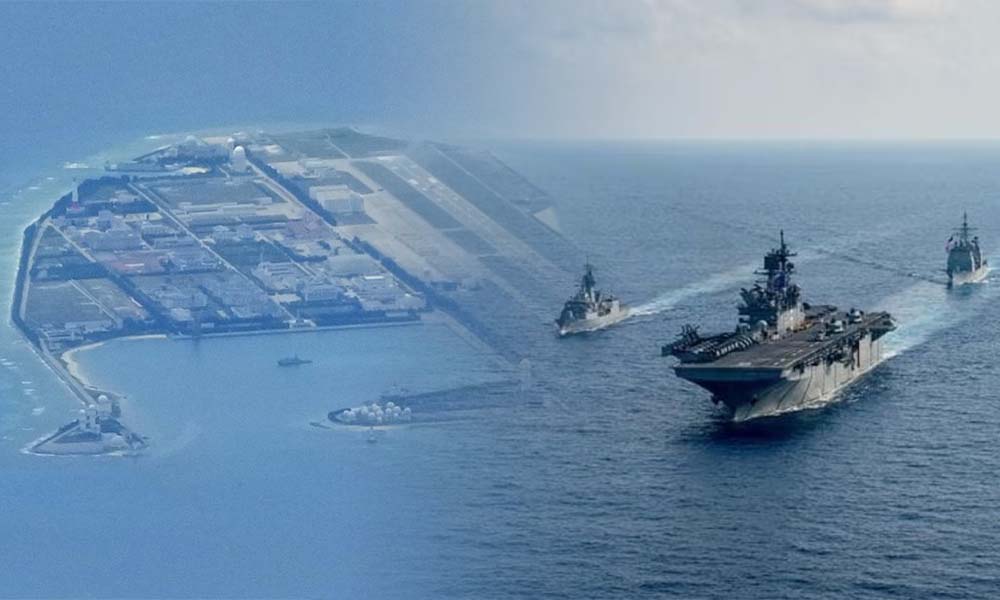
The Philippines is increasingly positioning itself as a strategic investment hub in Asia, largely due to its growing ties with major global powers like the United States and Japan. This strengthened partnership not only enhances the country’s security and political standing but also opens the door to significant economic opportunities. With major infrastructure projects like the Metro Manila Subway and North-South Commuter Railway, both backed by Japanese and U.S. investments, the Philippines is building the foundations for long-term economic prosperity.
These relationships are also critical in ensuring stability in the region, especially as the Philippines stands at the crossroads of the ongoing geopolitical shifts in the Indo-Pacific. A key advantage for the Philippines lies in its potential to benefit from the ongoing reconfiguration of global supply chains. As geopolitical tensions and trade disruptions with China continue, many firms are actively relocating their operations to alternative hubs in Southeast Asia, and the Philippines is well-positioned to attract these investments.
With its competitive labor force, favorable business environment, and increasing infrastructure development, the country can tap into the growing demand for manufacturing, logistics, and technology services that are moving away from China. This shift will not only provide immediate economic boosts but also set the stage for sustained growth as the Philippines capitalizes on the opportunities arising from global supply chain diversification.
Future Outlook: Ascending to the Trillion-Dollar Economies Group
Looking ahead, the future of the Philippine economy appears exceptionally bright. By 2033, the Philippines is expected to join the ranks of the Asia-Pacific’s “trillion-dollar economies,” joining countries like Japan, South Korea, and India. This ambitious projection reflects the country’s rapid economic ascent, fueled by continued reforms, strategic investments, and a forward-thinking economic agenda. As the Philippines expands its services and infrastructure sectors, it is poised to achieve this milestone, with industries like digital technology, manufacturing, and sustainable energy providing the backbone for its economic growth.
Reforms and strategic investments in key areas, particularly infrastructure and services, are expected to accelerate this transformation. The ongoing efforts to modernize the nation’s infrastructure, streamline regulatory frameworks, and expand digital connectivity will enhance the Philippines’ global competitiveness.
These developments will not only improve the ease of doing business in the country but also attract a growing number of international firms seeking to establish a presence in Asia. As the Philippines continues its path toward becoming a global economic powerhouse, it will not only solidify its position as a key player in the region but also as a formidable competitor on the world stage.
In sum, the Philippines’ geopolitical dynamics and future outlook paint an exciting picture of a nation poised for significant economic elevation. With the right mix of strategic partnerships, investments, and reforms, the Philippines is set to emerge as one of Asia’s leading economies in the coming decade.