41 Chinese Vessels Detected in West Philippine Sea, Manila Raises Alarm
How many ships does it take to send a message without firing a single shot? That question sits at the center of the latest development in the West Philippine Sea, where Philippine authorities have confirmed the presence of 41 Chinese vessels, including fishing boats widely assessed to be part of China’s maritime militia. This was not a random congregation of fishermen pursuing seasonal catch. It was a calculated display of presence in waters Manila considers its own. The news emerged quietly, yet its implications are anything but subtle. In today’s South China Sea, numbers matter, positioning matters, and even silence can be strategic.
To understand why this sighting matters, imagine a neighborhood where one homeowner repeatedly parks dozens of vehicles outside another’s gate, no weapons displayed, no threats spoken, yet the message is unmistakable. This is the logic of the gray zone. China’s maritime militia blurs the line between civilian and state actors, allowing Beijing to exert pressure while avoiding the thresholds that would trigger an overt military response. The West Philippine Sea, vital to Filipino livelihoods and energy security, has increasingly become the stage for this slow-burn coercion, where endurance replaces escalation and persistence becomes power.

Other claimant states have faced similar pressure but responded differently. Vietnam pairs quiet diplomacy with firm maritime patrols and meticulous documentation of incursions. Malaysia often downplays incidents publicly while strengthening offshore enforcement discreetly. The Philippines, by contrast, has moved toward strategic transparency, naming, counting, and publicizing each intrusion. This divergence matters. Transparency internationalizes the issue, while silence localizes the cost. In a region through which over USD 3 trillion in global trade transits annually, what happens in Philippine waters never remains purely Philippine.
The presence of 41 vessels is therefore not just another data point. It is a signal within a broader strategic pattern. Despite diplomatic engagements and regional forums, maritime friction continues to intensify, driven less by warships and more by ostensibly civilian hulls. Power in the South China Sea is increasingly exercised through endurance, ambiguity, and repetition. Understanding this moment requires looking beyond the ships themselves, to the strategy they represent, the responses they provoke, and the geopolitical stakes quietly rising with every new hull on the horizon.
Understanding the West Philippine Sea
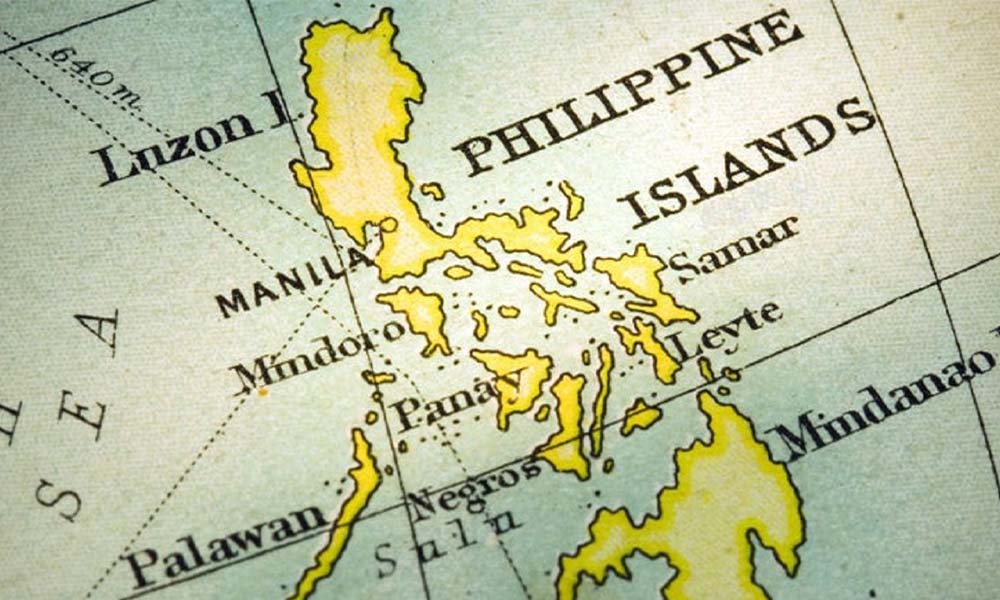
The legal basis of the Philippine claim is unusually robust. It rests on the United Nations Convention on the Law of the Sea (UNCLOS) and was reinforced in 2016, when an international arbitral tribunal ruled decisively in favor of the Philippines, invalidating China’s expansive “nine-dash line” claim. While Beijing rejected the ruling, it remains legally binding and widely cited, giving Manila a strong normative position in a region often dominated by power politics rather than legal clarity.
Beyond law, the value of the West Philippine Sea is intensely practical. These waters sustain the livelihoods of over two million Filipino fisherfolk. When access is restricted or intimidation occurs, the impact is immediate, reduced catch, unstable income, and heightened food insecurity. Unlike larger states with diversified buffers, coastal Philippine communities absorb these shocks directly, turning maritime tension into a lived economic reality.
The seabed beneath these waters further raises the stakes. Recto (Reed) Bank is estimated to hold up to 5.4 trillion cubic feet of natural gas, a resource that could significantly reduce the Philippines’ dependence on imported energy. In a volatile global energy environment, this potential is not merely commercial; it is strategic. Control over exploration rights translates into leverage over future national resilience.
Finally, the West Philippine Sea lies astride one of the world’s most critical maritime arteries. Nearly one-third of global shipping passes through the broader South China Sea. Stability here is therefore not just a Philippine concern, it is a global one. Every vessel sighting, blocked resupply mission, or prolonged standoff resonates far beyond regional headlines.
Details of the Vessel Sighting
Supporting this assessment was the presence of auxiliary vessels believed to provide logistics, refueling, or surveillance support. These ships enable prolonged loitering without port calls, transforming nominal fishing activity into sustained presence. Lingering for weeks or months is not about harvesting fish; it is about asserting control through persistence.
Geographically, the sighting was sensitive. The vessels were detected well within the Philippine EEZ, with some loitering 20–30 nautical miles from Philippine-held features. This calibrated proximity applies pressure without crossing into overt confrontation, a familiar Chinese tactic of incremental boundary-pushing.
Detection relied on a layered system combining Philippine Navy and Coast Guard patrols, aerial reconnaissance, and satellite-based maritime domain awareness. This multi-source monitoring reduces ambiguity and strengthens Manila’s capacity to document incursions. In gray-zone competition, evidence itself becomes a strategic asset.
The incident also fits a clear historical pattern. In 2021, more than 200 Chinese vessels massed at Julian Felipe (Whitsun) Reef under the pretext of sheltering from bad weather. That episode followed the same playbook: civilian labeling, prolonged loitering, and strategic ambiguity. The current sighting appears to be a scaled, controlled iteration of that strategy rather than an anomaly.
China’s Maritime Strategy in Disputed Waters
China’s behavior in disputed waters cannot be understood through conventional naval doctrine alone. Central to its approach is the maritime militia, civilian-appearing vessels operating with state coordination. These ships form a buffer between fishermen and naval forces, complicating responses and limiting escalation options for rival claimants. This enables classic gray-zone tactics: applying continuous pressure without triggering armed conflict. Rather than blockades or missiles, China relies on presence, dozens of hulls occupying contested waters day after day. Over time, constant visibility reshapes perceptions of control, even where legal ownership is clear.
Consistency is the strategy’s strength. Chinese vessels return repeatedly, often over years, to the same features. Each deployment reinforces the last, gradually normalizing intrusion. For fishermen, coast guards, and observers alike, the abnormal begins to look routine. The strategic objective is clear: consolidate de facto control without triggering war. By avoiding overt violence, Beijing reduces the risk of collective military response while steadily eroding rival claims through intimidation, restricted access, and psychological pressure. Sovereignty is undermined not through decisive clashes, but through attrition.
https://www.youtube.com/watch?v=YAxOBjebJVQ
Philippine Government Response
The Philippine response has been measured and increasingly confident. The Armed Forces of the Philippines (AFP) emphasized vigilance, restraint, and professionalism, showing that the vessels were operating within the Philippine EEZ. The message was firm but controlled: the situation is being monitored, and rights are being asserted. The Philippine Coast Guard (PCG) played a frontline role, shadowing vessels, issuing radio challenges, and maintaining presence. Crucially, it has embraced transparency, publicly releasing imagery and positional data. In gray-zone competition, visibility functions as deterrence.
Diplomatically, Manila has been persistent. Since 2016, it has filed over 450 diplomatic protests, reinforcing its legal position and preventing acquiescence. The issue has also been raised in regional and multilateral forums, framing incidents as challenges to the rules-based order rather than isolated disputes. Allied coordination has intensified. Cooperation with the United States, Japan, and Australia now includes joint patrols, intelligence sharing, and capacity-building. While the Philippines stresses it seeks no conflict, these partnerships signal that coercion carries wider consequences.
Regional and International Reactions
Regional reactions to developments in the West Philippine Sea continue to reflect Southeast Asia’s underlying strategic diversity. Within ASEAN, responses remain uneven, shaped by differing threat perceptions, economic ties with China, and national maritime interests. Some member states have chosen cautious language, avoiding direct reference to China in official statements and emphasizing general principles such as restraint and dialogue. Others, particularly claimant states, have been more explicit, using incidents like the latest vessel sighting to renew calls for a substantive and legally binding Code of Conduct (COC) in the South China Sea. This divergence highlights a persistent ASEAN dilemma: while unity is repeatedly affirmed at the rhetorical level, consensus often fractures when national interests and external pressures collide.

The slow progress on the COC has further amplified these divisions. Years of negotiations have produced frameworks and draft texts, but little in the way of enforceable commitments. For some ASEAN members, this delay reflects prudence; for others, it shows the limitations of consensus-driven diplomacy when confronted with sustained gray-zone pressure. As a result, ASEAN’s role has increasingly shifted from conflict management to damage control, aimed at preventing escalation rather than resolving underlying disputes.
Outside Southeast Asia, reactions have been more direct and strategically aligned. The United States reiterated that an armed attack on Philippine public vessels or forces in the Pacific, including the South China Sea, would trigger obligations under the 1951 Mutual Defense Treaty. While carefully calibrated to avoid provocation, this statement serves as a deterrent signal, clarifying red lines and reinforcing alliance credibility. It also reflects Washington’s broader interest in preventing the normalization of coercive behavior in contested maritime spaces.
https://www.youtube.com/watch?v=pmA9cw0MQkw
Japan and Australia have echoed similar concerns, framing the issue in terms of freedom of navigation, adherence to international law, and opposition to unilateral attempts to alter the status quo. Their statements are less about taking sides in sovereignty disputes and more about defending the integrity of the maritime order that underpins regional stability and economic prosperity. Both countries have expanded maritime cooperation with the Philippines, including patrols, training, and capacity-building initiatives.
These positions have translated into operational consequences. The frequency and visibility of Freedom of Navigation Operations (FONOPs) have increased, accompanied by a stronger naval and coast guard presence by extra-regional powers. While FONOPs do not resolve sovereignty disputes, they serve an important signaling function, demonstrating that contested waters remain open and that excessive maritime claims will be challenged.
Collectively, regional and international reactions show a widening gap between diplomatic caution and strategic urgency. ASEAN continues to struggle with internal cohesion, while external partners move toward more assertive engagement. This dynamic is reshaping the strategic environment of the West Philippine Sea, embedding it more deeply within the broader contest over norms, power, and order in the Indo-Pacific.
Legal, Social, and Security Implications
Legally, UNCLOS remains the governing framework, and the 2016 arbitral ruling stands, binding but unenforced. China’s rejection of the ruling and preference for bilateral talks highlight the limits of international law in the absence of enforcement mechanisms.
The human cost is often overlooked. Filipino fisherfolk face harassment, reduced access, and declining catch. Fisheries contribute over 1.5 percent of Philippine GDP, yet coastal communities bear disproportionate harm. In places like Zambales, fishermen report week-long trips yielding minimal returns due to displacement. Security risks persist. Close encounters raise the danger of miscalculation. Manila must balance deterrence with restraint, a calculus shaping defense modernization focused on maritime domain awareness, patrol vessels, radar, and unmanned systems.
https://www.youtube.com/watch?v=777Z4RsbrT4
Broader Geopolitical Significance and Future Scenarios
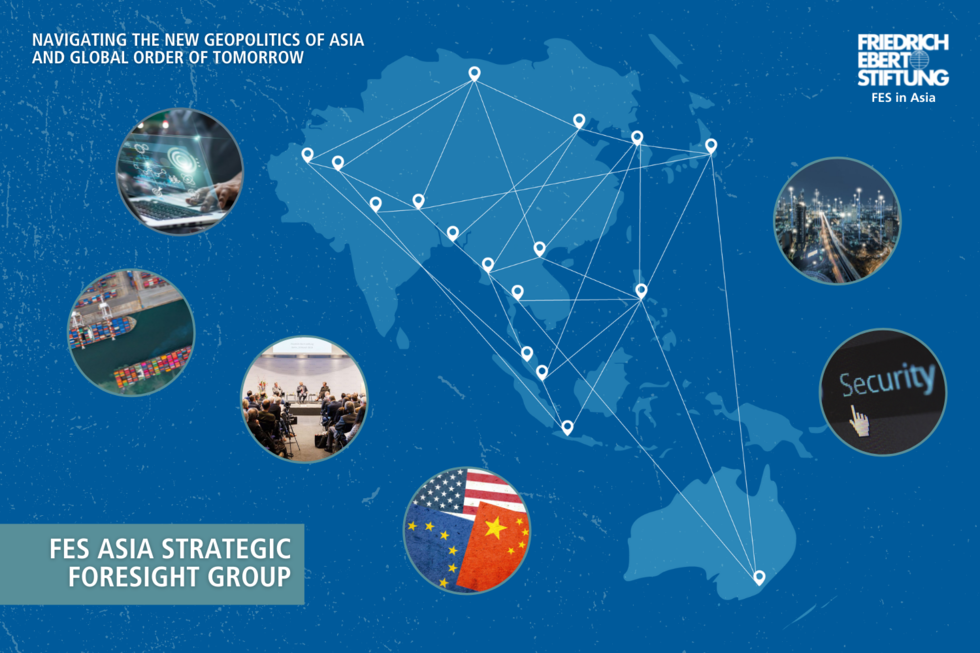
The West Philippine Sea has evolved far beyond a bilateral maritime dispute. It now functions as a frontline arena of U.S.–China strategic rivalry, where questions of power, credibility, and regional order are tested in real time. For Washington, events in these waters are closely tied to alliance credibility and the defense of a rules-based maritime system. For Beijing, sustained presence serves a broader objective: reshaping regional norms in ways that privilege power and endurance over legal restraint. What unfolds in the West Philippine Sea therefore carries implications not only for the Philippines, but for the future architecture of the Indo-Pacific security order.
At stake is the stability of one of the world’s most economically vital maritime regions. The South China Sea underpins global manufacturing and energy flows, linking East Asian industrial hubs with Middle Eastern and European markets. Any serious disruption, whether from escalation, prolonged instability, or miscalculation, would reverberate through global supply chains, shipping insurance markets, and energy prices. Even limited conflict or sustained uncertainty could raise transportation costs and undermine investor confidence, particularly in an era where global trade networks are already under strain.
Several future trajectories now appear plausible. One is the normalization of incursions, in which sustained foreign presence becomes routine and increasingly uncontested. Over time, this could erode effective control without formal changes to sovereignty, creating a new status quo defined by endurance rather than law. This scenario favors actors willing to absorb long-term costs and disadvantages states with limited maritime capacity, turning legal victories into hollow gains.
A second trajectory is the internationalization of the dispute. As gray-zone pressure persists, extra-regional powers may deepen their involvement through joint patrols, expanded Freedom of Navigation Operations, and enhanced defense cooperation with regional partners. While this could strengthen deterrence and preserve access to critical sea lanes, it also raises the risk of strategic congestion, more ships, more close encounters, and a higher probability of miscalculation in already crowded waters.https://www.youtube.com/watch?v=Ys8dncPDNUA
A third, more stabilizing path lies in selective confidence-building measures. These could include joint patrols focused on non-traditional security threats, fisheries management agreements to protect livelihoods, or clearer incident-at-sea protocols to manage encounters. Such mechanisms would not resolve sovereignty disputes, but they could reduce friction and create space for long-term political solutions. The challenge is that confidence-building requires mutual restraint, something difficult to sustain amid asymmetric power dynamics.
Each scenario presents both risks and opportunities. Normalization threatens sovereignty through attrition. Internationalization deters coercion but heightens escalation risks. Confidence-building offers stability but demands political will and trust that are currently fragile. The trajectory ultimately taken will depend on how consistently regional states assert their rights, how allies balance deterrence with restraint, and whether major powers prioritize long-term stability over short-term strategic advantage.
In this sense, the West Philippine Sea is not just a contested body of water; it is a bellwether for the Indo-Pacific’s future. The choices made here, by regional states, external powers, and international institutions, will shape whether the region moves toward managed competition, creeping fragmentation, or a more cooperative maritime order.
Conclusion
The sighting of 41 Chinese vessels is not an isolated event but part of a sustained pattern of maritime competition defined by ambiguity and persistence. The West Philippine Sea remains vital to sovereignty, livelihoods, and global commerce. Long-term stability will depend not on numbers alone, but on vigilance, principled diplomacy, and collective commitment to a rules-based maritime order, before quiet persistence redraws realities at sea.
https://www.youtube.com/@IndoPacific_Report